
Dry fog system
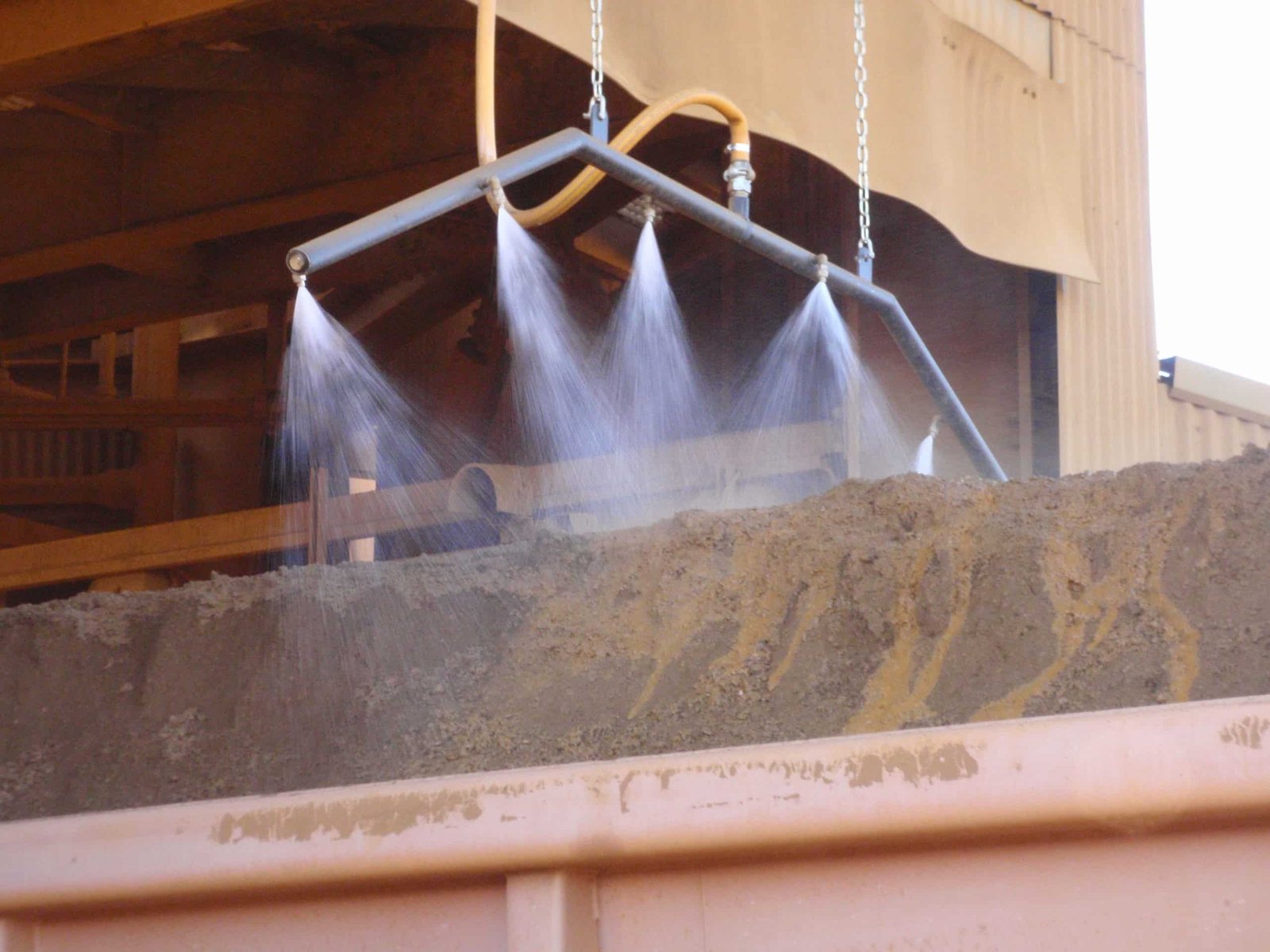
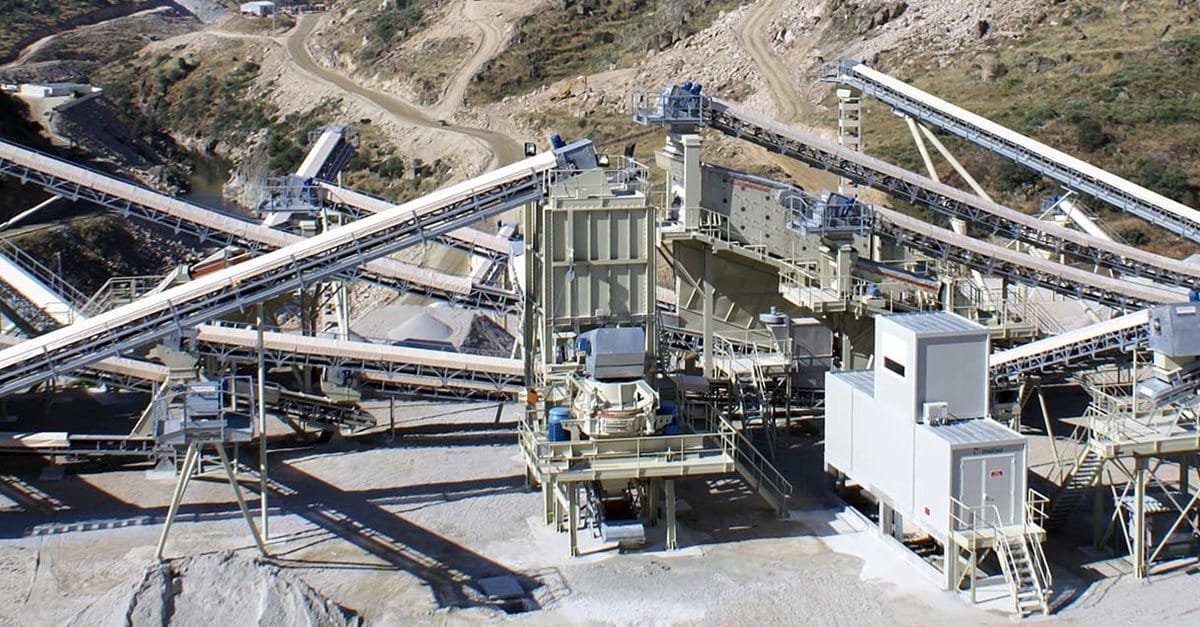
Ultra-fine fog that captures airborne dust at transfer points, crushers and tipplers without wetting the material.
Explore
Dry fog, fog cannons, sprinklers, water spray and dust collection for mines, coal handling plants, crushers, steel, cement and ports. We start with your dust source, then choose the system.
Choose a technology to explore, or tell us the problem and we will recommend one.
Ultra-fine fog that captures airborne dust at transfer points, crushers and tipplers without wetting the material.
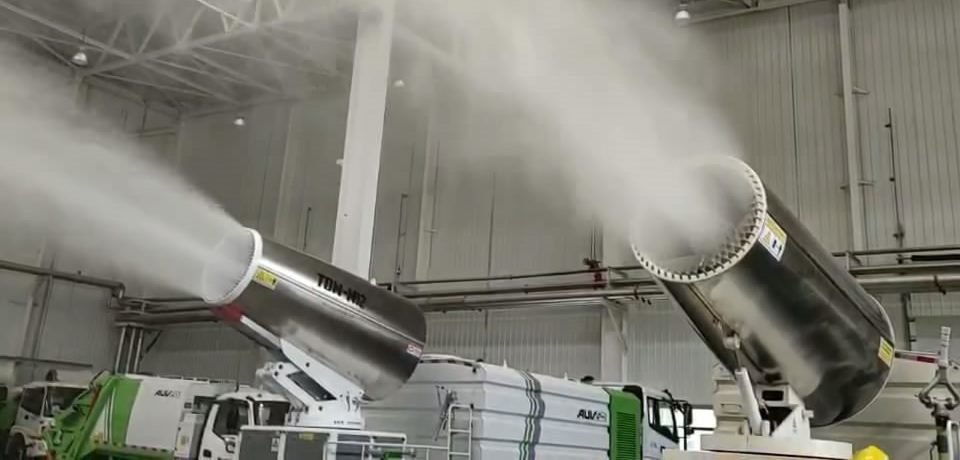
ExploreFan-driven mist cannons that cover stockyards, loading areas and demolition fronts from one position.
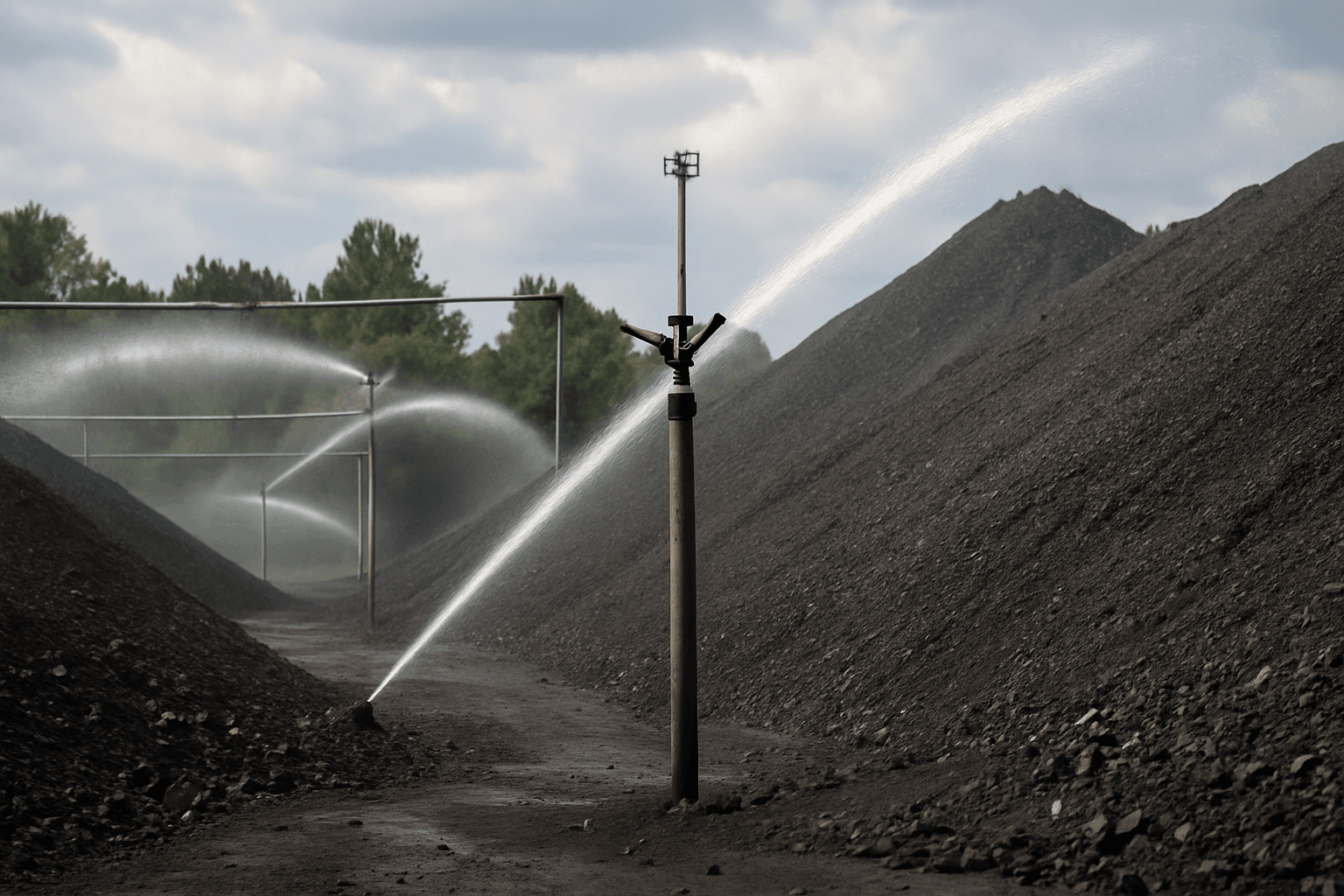
ExploreRain guns and sprinklers on a zoned ring main for stockpiles, coal yards and haul roads.
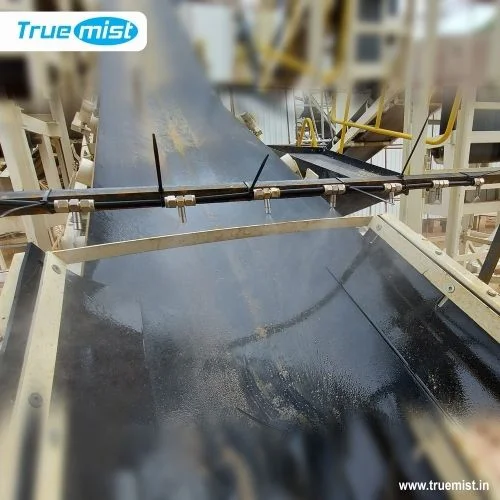
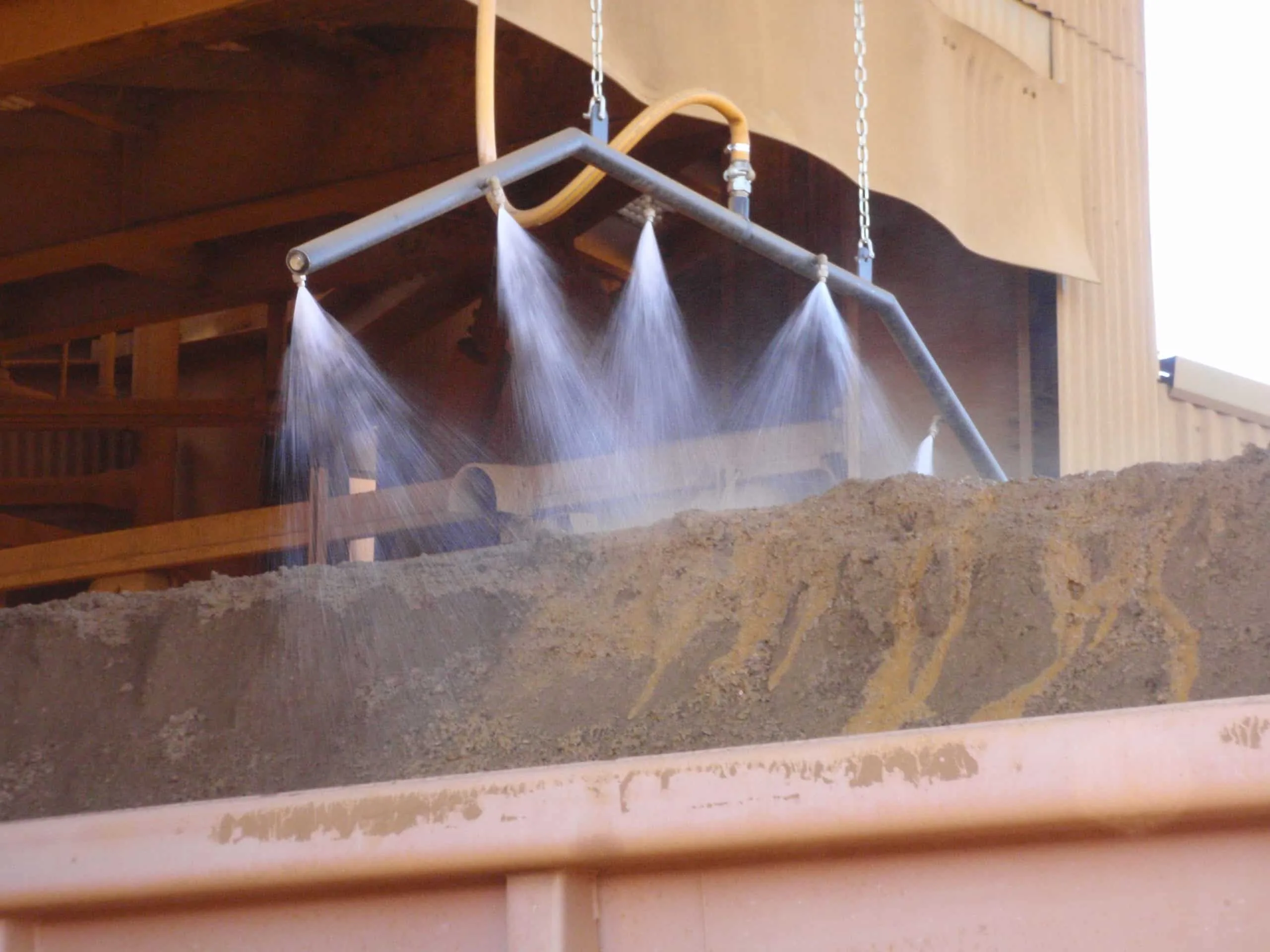
ExploreSpray headers and nozzles that wet material at hoppers, feeders and conveyors.
ExploreHigh-pressure misting lines for open areas, boundaries and sheds, with no compressed air needed.
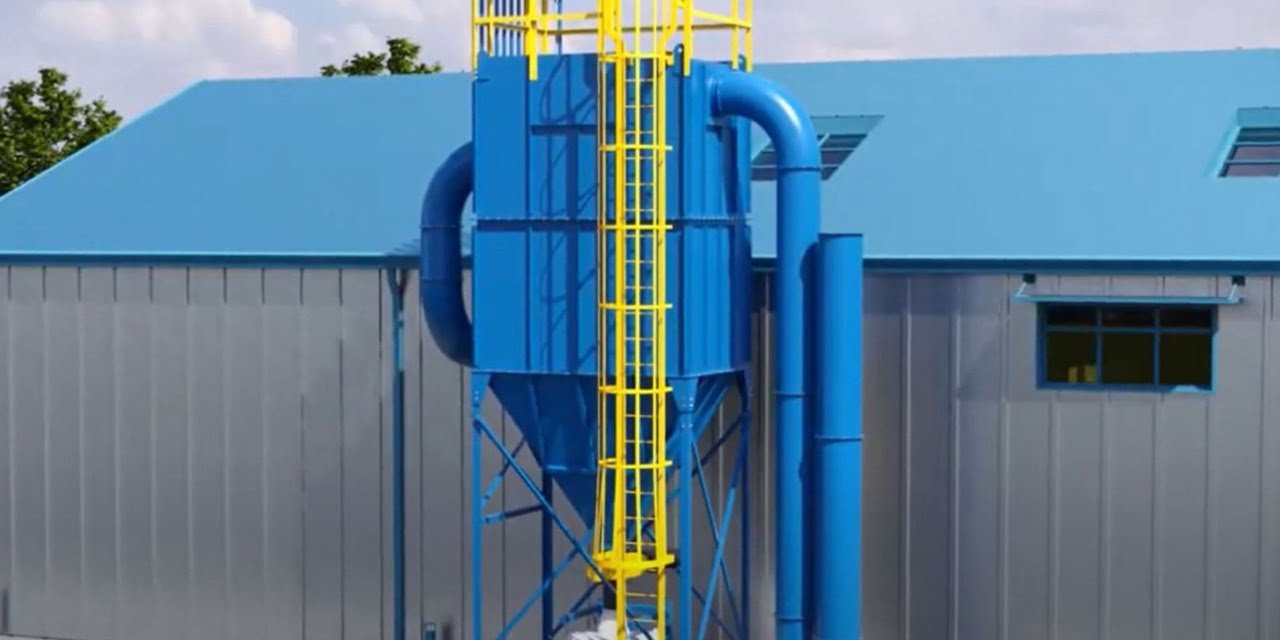
ExploreBag filter and cartridge collectors, dedusting systems and extraction where material must stay dry.
ExplorePick the closest match and we will point you to the systems that usually fit.
Your shortlist appears here.

Dust is easiest to stop where it is created. Once it is airborne and spreading, it takes far more water, energy and effort to bring down.
Fine droplets matched to the dust size capture more with less, so belts, screens and chutes keep running.
Lower airborne dust means better visibility, cleaner equipment and less exposure for your people.
Controlling fugitive dust keeps it inside your boundary and supports your consent conditions.
Each source needs its own treatment. Start with the one closest to yours.
Send photographs, a layout or a short description of where the dust comes from.
We review each source, the material, water and power available, and any moisture limits.
You receive a layout, equipment list and price for the system that fits.
We supply, install and commission, train your operators and stay available for service.
A dust suppression system is a control mechanism designed to minimize or eliminate the presence of airborne dust particles, typically in industrial, mining, construction, or agricultural environments. These systems are essential for improving air quality, protecting worker health, ensuring regulatory compliance, and reducing equipment wear and environmental contamination.
Ready to solve your dust challenges? Contact us today for a free, no-obligation consultation with our experts.
Our systems are engineered to capture and suppress airborne dust particles at the source, ensuring cleaner air and compliance with environmental standards.
Whether in mining, construction, recycling, or manufacturing, our dust suppression systems can be tailored to your specific site requirements and dust challenges.
Designed for durability, our solutions reduce water and energy consumption while requiring minimal upkeep—saving you money in the long run.
By significantly lowering dust levels, our systems protect workers’ health, improve visibility on-site, and create a safer, more productive environment.
Practical articles on dust suppression methods and dust control in specific industries.
Why plain water struggles on haul roads and stockpiles, and the alternatives: binders, salts, polymers, biological treatments, fog and fencing.
Read guideHow a dust collector works step by step, the main types, what a dust collection system includes, maintenance basics and whether to centralise.
Read guideA plain guide to dust emission standards in India: who sets the rules, the ambient limits for PM10 and PM2.5, the stone crusher standard and what to do.
Read guideSend photos or a layout of the dust source. An engineer will recommend a system and send a budget price.
An engineered arrangement of nozzles, fog cannons or sprinklers with pumps, piping and controls that applies water or fog where dust is generated, so the dust settles instead of spreading.
It depends on the source. Dry fog suits enclosed transfer points and crushers, sprinklers suit stockpiles and roads, fog cannons suit large open areas, and dust collectors suit processes that must stay dry. Most sites use a combination.
Yes. We design, supply, install and commission dust suppression systems and support them after handover.
Far less than hosing or flooding. Fog-based systems use fine droplets, and automation runs each zone only while dust is being generated.
We work across India from offices in Chennai, Nagpur and Gurugram, with regular work in the coal, steel and mineral belts of Chhattisgarh, Odisha, Jharkhand and Madhya Pradesh.
Use the enquiry form or call us with the material handled, the dust sources and your location. Photographs and a layout speed things up.
Send the basics and an engineer will come back with a recommendation and a budget price.