Alternatives to water-based dust suppression: what works and when
Why plain water struggles on haul roads and stockpiles, and the alternatives: binders, salts, polymers, biological treatments, fog and fencing.
Read guidePractical articles on dust suppression methods, dust pollution and control in specific industries.
Why plain water struggles on haul roads and stockpiles, and the alternatives: binders, salts, polymers, biological treatments, fog and fencing.
Read guideHow a dust collector works step by step, the main types, what a dust collection system includes, maintenance basics and whether to centralise.
Read guideA plain guide to dust emission standards in India: who sets the rules, the ambient limits for PM10 and PM2.5, the stone crusher standard and what to do.
Read guideWhat dust pollution is, its causes and health effects, PM10 and PM2.5, how dust is measured and how it is controlled.
Read guideHealth risks of wood dust in workshops and how dust collection keeps the air clean.
Read guideWhy grain dust is a fire and explosion hazard as well as an air quality problem, and how facilities control it.
Read guideHow cement dust affects air quality, soil, water, vegetation and nearby ecosystems, and how plants reduce the impact.
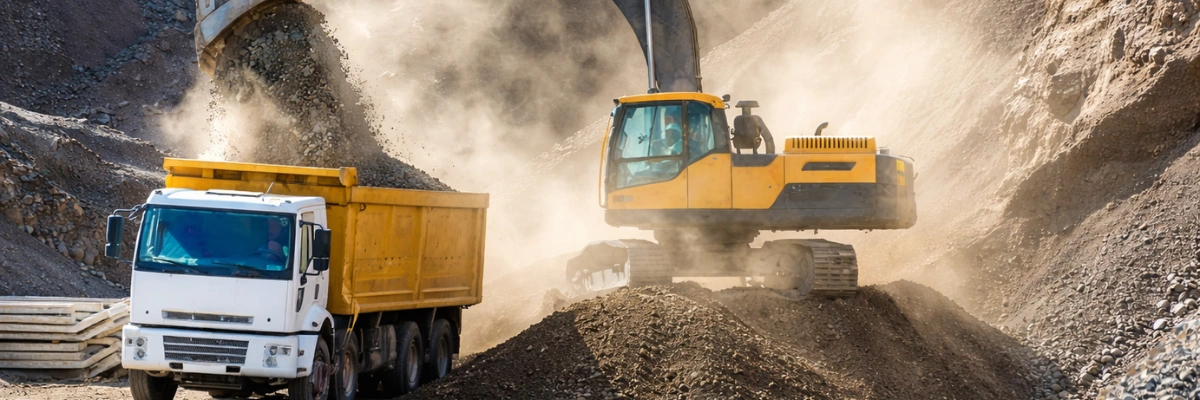
Read guideCauses of construction dust pollution, the health risks including silica, and the control measures that work on site.
Read guideHealth effects of cement dust on workers and how exposure is prevented in plants and on construction sites.
Read guideCauses and impacts of dust at ports and bulk terminals, and the solutions used at berths, conveyors and stackyards.
Read guideThe hidden dust risks inside manufacturing plants and how extraction, suppression and housekeeping reduce them.
Read guideDust risks at recycling plants for workers and neighbours, and the suppression and extraction measures that reduce them.
Read guideDust risks on farms and in agricultural handling, and practical ways to reduce exposure.
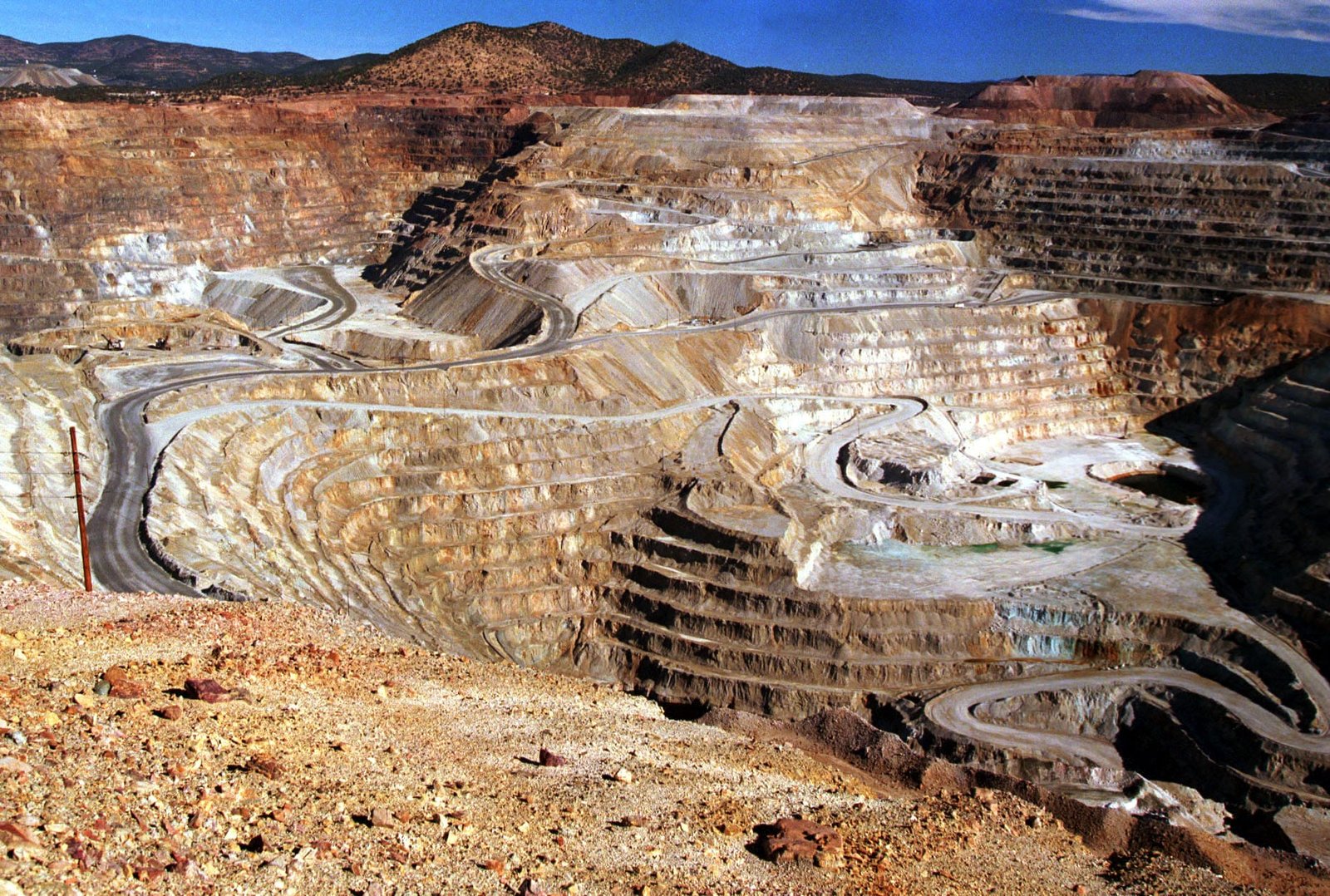
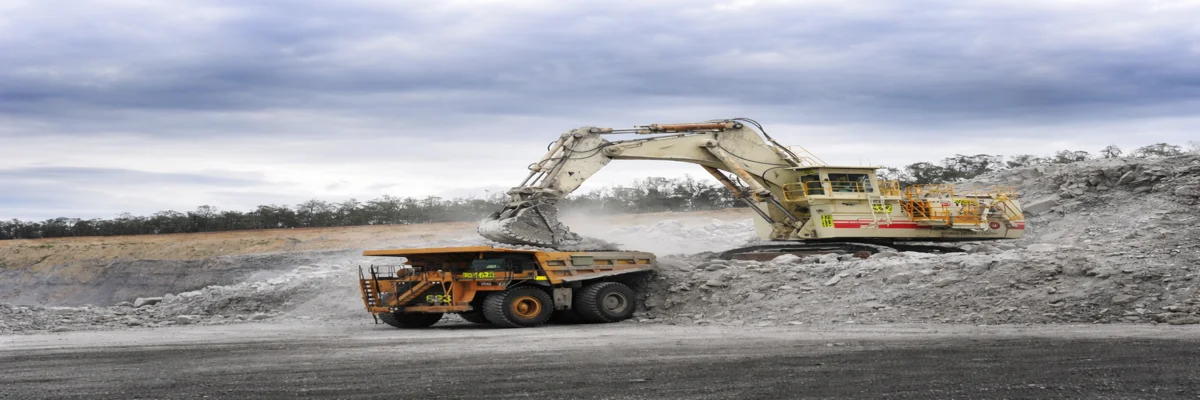
Read guideHealth risks of mining dust and the practical control methods used at haul roads, crushers, stockpiles and underground.
Read guideSources of warehouse dust, the problems it causes for stock, equipment and people, and how to control it.
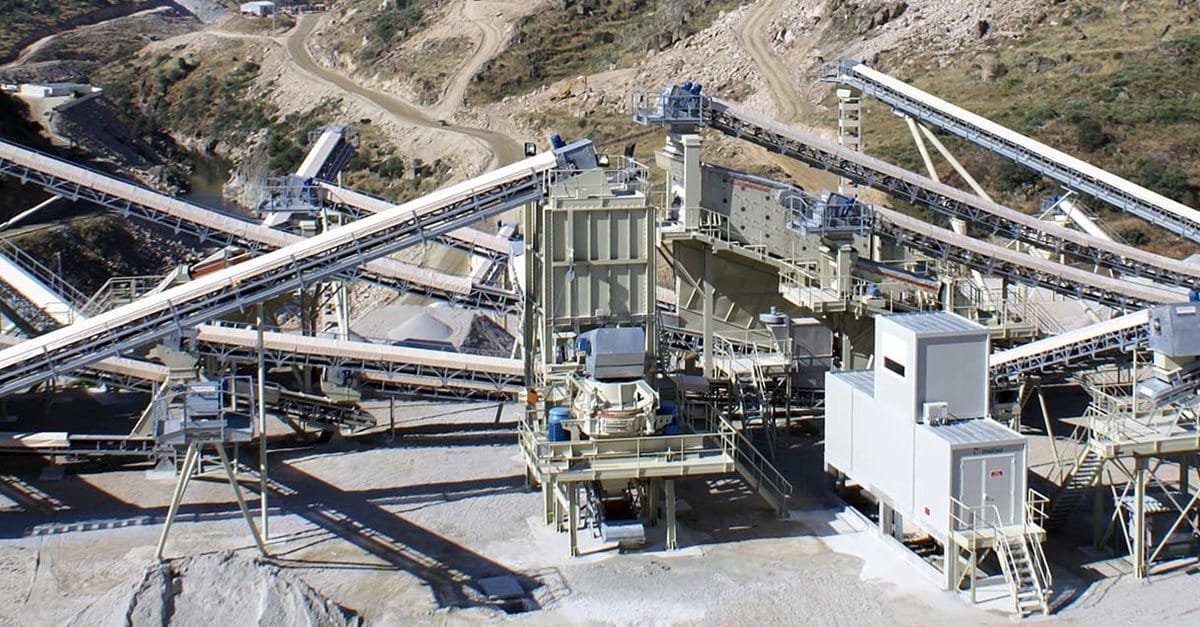
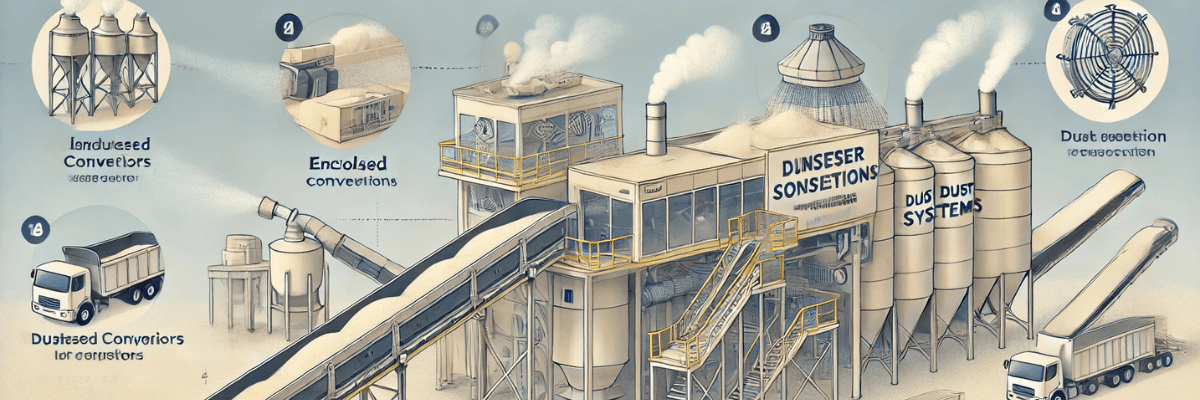
Read guideStrategies for reducing dust emissions in conveyor systems: sealing, transfer design, dry fog and belt cleaning.
Read guideSources of air pollution in the steel industry and the dust control and dedusting measures used to reduce them.
Read guideWhat dust suppression is, how the main methods work and where each is used, from water spray to dry fog and chemicals.
Read guideHow to suppress dust on unpaved and haul roads in India: watering schedules, sprinklers, binders and road design.
Read guideDust mitigation methods explained: prevention, containment, suppression and collection, with examples for industrial sites.
Read guideHow cement dust affects people, crops and buildings around a plant, and what reduces exposure.
Read guideWhat fugitive dust emissions are, where they come from on industrial sites, and the control methods that work for each source.
Read guideWhere dust is generated in the cement industry and which suppression and collection systems control each source.
Read guideDust suppression technologies compared: water spray, dry fog, misting, fog cannons, chemicals and dust collection, by industry.
Read guideHow industrial dust affects air quality and which control measures improve it, from source suppression to monitoring.
Read guideHow mining processes from drilling to haulage create air, water and land pollution, and how dust control reduces the impact.
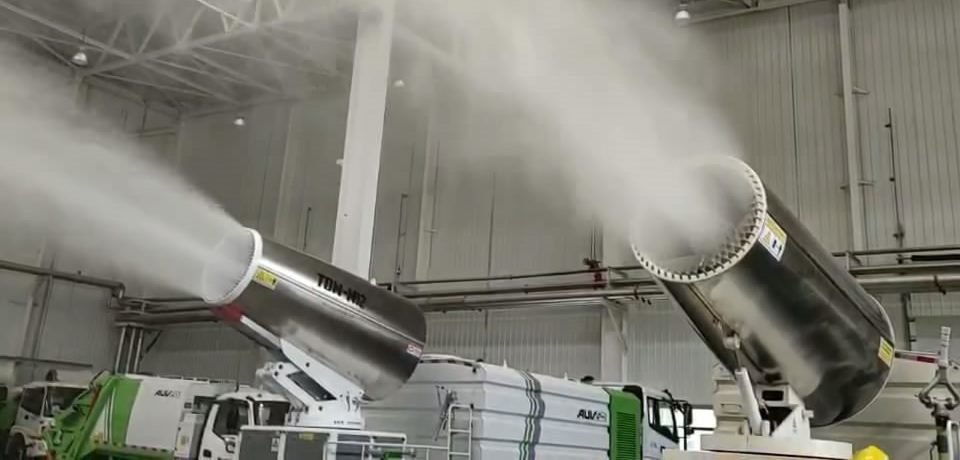
Read guideRain guns and fog cannons compared: how each works, where each fits, and how they are used together for dust control.
Read guideMethods of dust suppression on roads inside plants and sites: watering, fixed sprinklers, binders and good road maintenance.
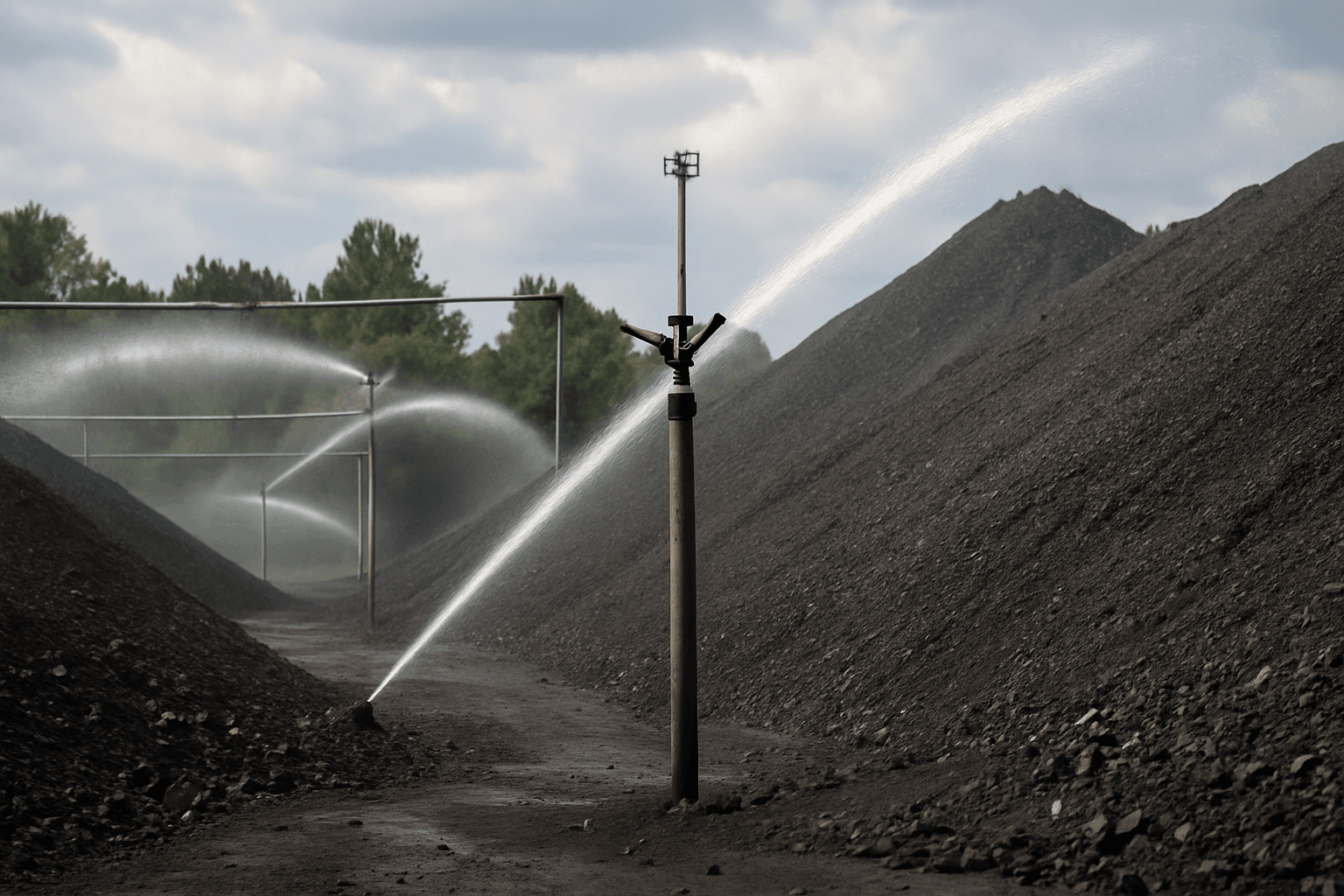
Read guideHow to choose a water sprinkler for dust suppression: throw, flow, pressure and layout for stockyards, roads and open areas.
Read guideWhether molasses works as a dust suppressant on roads, how it is applied and where its limits are.
Read guideA practical checklist of cement dust control measures for each plant area, from the limestone crusher to the packing plant.
Read guideHow dust is suppressed in underground coal mines: water sprays at cutting and loading, transfer point control, ventilation and stone dusting.
Read guideHow dust suppression polymers bind fine particles on roads and stockpiles, and what to consider before using them.
Read guideWhere to place dust suppression nozzles and how to position them at transfer points, crushers and stockpiles.
Read guideWhy hydrophobic materials such as coal resist wetting and how fog, surfactants and system design overcome it.
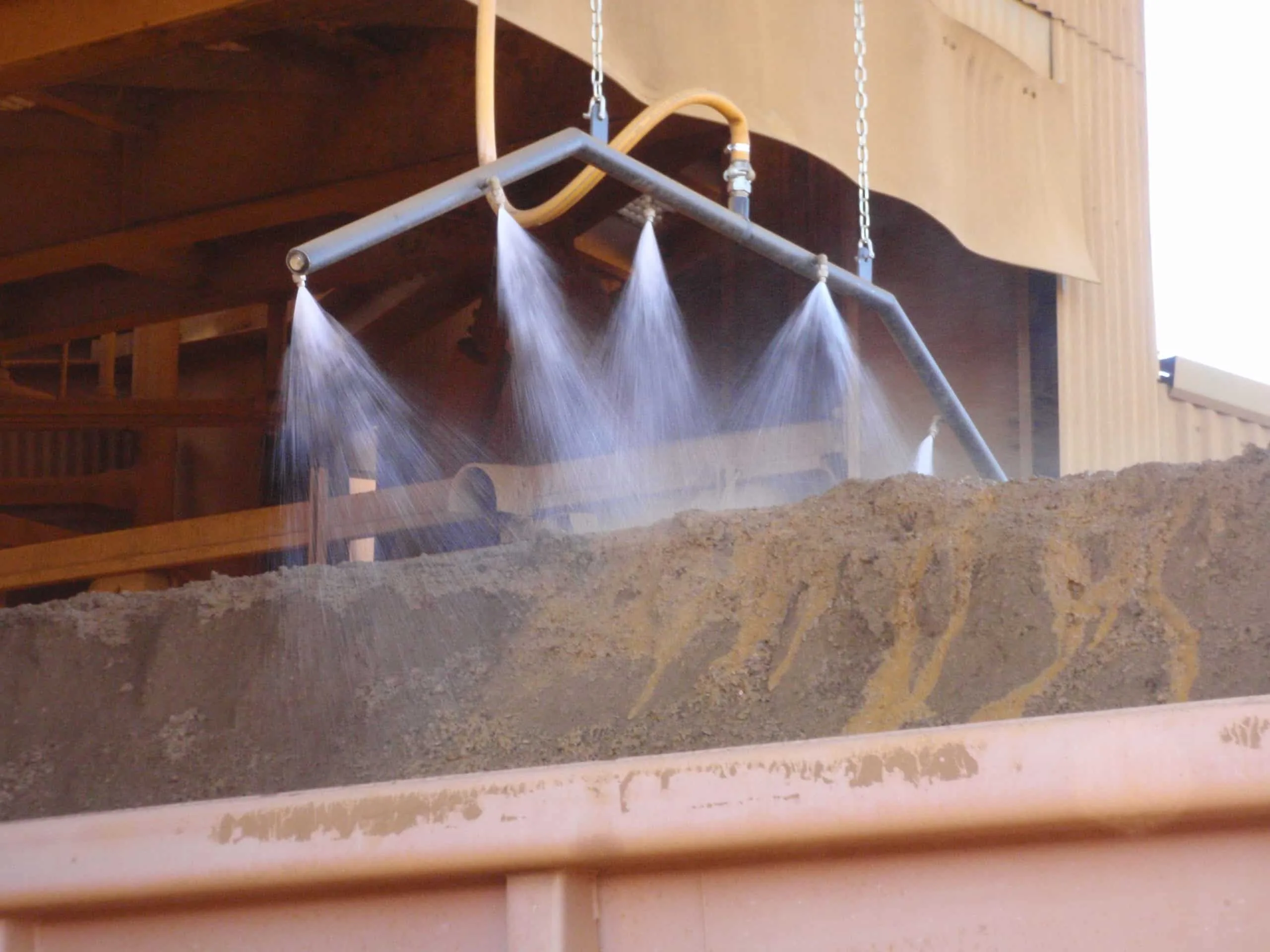
Read guideThe environmental and operational benefits of fog-based dust suppression: lower water use, drier material and better capture of fine dust.
Read guideA practical guide to choosing and running dust suppression for industrial pollution control, with a comparison of methods.
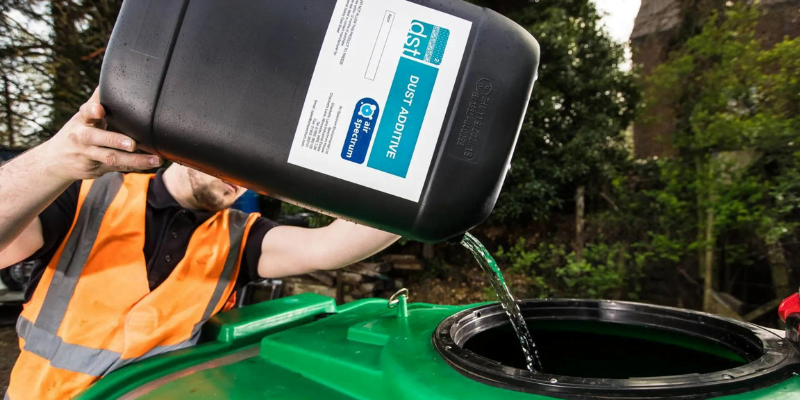
Read guideTypes of dust suppression additive, how they help water work better, and when it is worth dosing them into a spray system.
Read guideSend the basics and an engineer will come back with a recommendation and a budget price.