
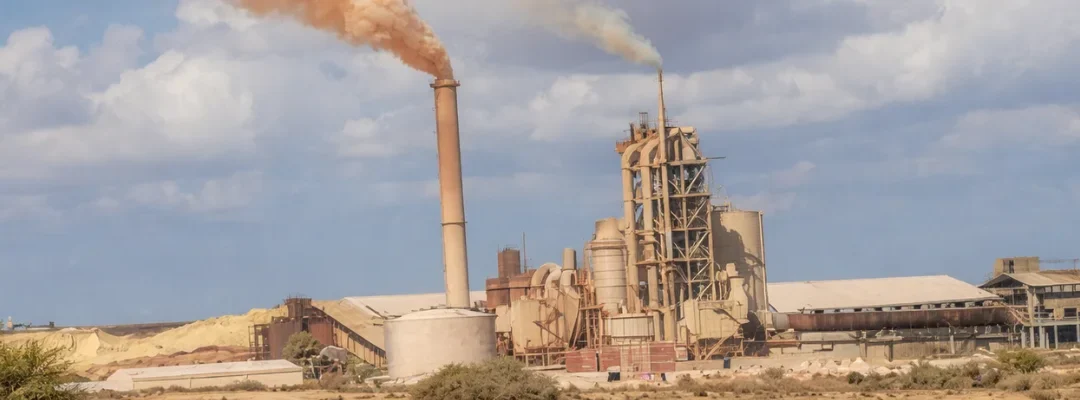
Cement dust pollution is a common workplace issue anywhere cement is produced, transferred, mixed, stored, or used. It affects workers in cement plants, batching operations, storage areas, and construction environments. Because cement handling is part of everyday operations, many sites underestimate how much dust is released during normal tasks such as bag emptying, silo filling, and cleanup. Occupational guidance from OSHA, NIOSH, and HSE also shows that cement-related exposure is not just a cleanliness problem. It can affect the eyes, skin, airways, and overall working conditions, especially when dust control is weak.
Common sources of cement dust
Cement dust is often generated when dry material is opened, transferred, dropped, mixed, conveyed, or cleaned up. Typical sources include bag opening and emptying, bulk transfer and silo filling, batching and mixing, conveying and loading, spill cleanup, and dry sweeping of dusty areas. Even small but repeated releases can create a persistent dust problem over time, especially in enclosed or poorly controlled spaces. Guidance on construction and cement exposure also warns that dry sweeping and repeated disturbance of settled dust can significantly increase airborne dust levels.
How cement dust affects health and operations
Workers exposed to cement dust may experience coughing, nose irritation, throat discomfort, eye irritation, and other respiratory or mucous membrane effects. OSHA’s analytical method for portland cement notes risks including eye, skin, and mucous membrane irritation, and HSE warns that cement-based products can also cause dermatitis and even burns when wet cement contacts the skin.
There is also a second concern in some cement-related tasks: respirable crystalline silica. NIOSH states that breathing dust containing crystalline silica can cause silicosis and has also been linked to lung cancer, kidney disease, and reduced lung function. This is especially relevant when cement-related work overlaps with concrete cutting, grinding, chasing, or similar activities that generate silica-containing dust.
Beyond worker health, cement dust can settle on machinery, floors, vehicles, and storage areas, increasing cleaning needs, reducing visibility, and making material handling less efficient. Over time, poor dust control can turn a routine process into a persistent housekeeping and exposure problem. This is why cement dust should be managed as a workplace prevention issue, not just a cleanup issue.
Best ways to control cement dust pollution
The most effective cement dust control plans combine source reduction, dust capture, safer cleanup, and worker protection.
Enclosed handling systems
Reduce open transfer points and limit unnecessary manual handling where possible. Enclosing dusty steps helps keep cement from escaping into the work area and makes extraction systems more effective. This follows the general occupational hygiene principle of controlling dust close to where it is generated.
Dust extraction
Use local exhaust or dust extraction near mixers, loading points, bagging stations, and transfer areas. OSHA and NIOSH guidance on dust-generating tasks consistently supports capturing dust near the source rather than relying only on general ventilation.
Controlled cleanup
Avoid dry sweeping where possible. HSE specifically warns that dry sweeping concrete dust and similar debris can create high dust levels. Vacuum systems or wet cleaning methods are usually safer and more effective for removing settled cement dust.
Material storage management
Keep storage and handling areas organized, limit unnecessary movement of dry cement, and deal with spills quickly before they are repeatedly disturbed. Good storage control helps reduce the number of points where cement dust can escape into the air. This is an inference based on the same source-control and cleanup guidance used in cement and construction dust management.
Worker protection and training
Train workers on proper handling methods, exposure prevention, and safe cleanup practices. Where needed, sites should also assess exposure levels and use appropriate protective measures. NIOSH’s pocket guide also lists recommended exposure limits for portland cement dust, reinforcing the need for exposure awareness in dusty operations.
Common mistakes in cement facilities
One common mistake is focusing only on visible dust near mixers or batching areas while ignoring bag handling, spilled material, and cleanup routines. Another is failing to maintain extraction systems, which reduces capture efficiency over time. Sites also often underestimate the dust created by sweeping or repeatedly disturbing settled material. Guidance from HSE and OSHA makes clear that cleanup method and control reliability matter just as much as the main process itself
Why Choose Us
Cement dust control needs more than routine cleaning. It requires practical steps that reduce dust at the source, improve working conditions, and help prevent repeated exposure in everyday operations.
Understanding of cement dust risks
We understand how cement dust is created during bag handling, bulk transfer, batching, mixing, loading, and cleanup, and we focus on practical ways to reduce it before it spreads.
Practical workplace dust control
Our approach is based on real work environments, including cement plants, batching areas, storage yards, and active construction-related operations.
Focus on worker health and prevention
Cement dust can affect breathing comfort, eyes, skin, and overall workplace conditions. We support preventive dust control methods that help create cleaner and safer work areas.
Solutions that go beyond housekeeping
We treat cement dust as an operational issue, not just a cleaning issue. That means looking at handling systems, extraction, cleanup methods, and repeated release points.
Support for better site efficiency
Dust buildup can affect visibility, cleanliness, equipment areas, and material handling. We help improve dust management in ways that support smoother day-to-day operations.
Site-specific recommendations
Every facility and worksite is different. We provide dust control guidance based on your materials, processes, work areas, and exposure risks.
FAQ
What causes cement dust?
Cement dust is created during bag handling, transfer, batching, mixing, loading, and cleanup.
Why is cement dust harmful?
It can irritate the eyes, skin, throat, and lungs and create poor working conditions.
How can cement dust be controlled?
Common methods include enclosed handling, dust extraction, safer cleanup, and worker training.
Why avoid dry sweeping?
Because it pushes settled dust back into the air.
Why is dust extraction important?
It captures dust near the source and helps prevent it from spreading.