
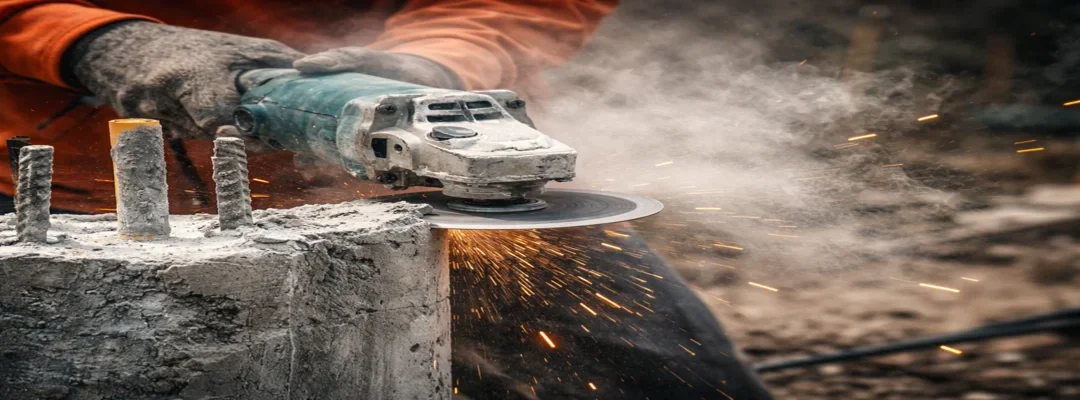
Grain dust is one of the most serious dust-related hazards in agriculture and food handling. It is common in grain elevators, feed mills, storage facilities, and processing plants. Unlike ordinary nuisance dust, grain dust can create both respiratory exposure risks and serious fire or explosion hazards when it accumulates and becomes airborne. OSHA’s grain-handling standard is specifically designed to control grain dust fires and explosions, and OSHA’s grain-handling guidance states that both grain dust and ignition sources must be controlled to prevent often deadly incidents.
Where grain dust comes from
Grain dust is produced during many routine facility operations, including:
- Receiving grain
- Drying and cleaning
- Conveying and transfer
- Bucket elevator movement
- Storage and bin loading
- Milling and feed processing
- Sweeping and cleanup
Because these tasks happen every day, grain dust can build up quickly on floors, equipment, ledges, beams, and other hidden areas if it is not controlled continuously. OSHA’s grain-handling rules require facilities to address fugitive grain dust accumulations because settled dust can become dangerous when disturbed and dispersed into the air
Why wood dust should not be ignored
Workers exposed to wood dust may experience throat irritation, coughing, eye discomfort, and breathing problems, especially in poorly ventilated shops. Dust buildup can also collect inside lighting fixtures, ducts, and machinery, increasing maintenance needs and creating a less efficient workspace.
In some production environments, accumulated fine dust can also become a safety concern if it is not removed properly.
Best ways to control grain dust hazards
The best way to reduce grain dust hazards is to combine dust capture, housekeeping, equipment control, and worker awareness.
Dust collection systems
Install dust collection or capture systems at receiving points, transfer points, bucket elevators, processing equipment, and other dust-generating areas. Capturing dust near the source helps improve indoor air quality and lowers the chance of dangerous dust buildup. OSHA’s grain-handling guidance points facilities to exposure evaluation and control practices as a core part of prevention.
Routine cleaning
Prevent settled dust from building up on floors, ledges, beams, machinery, and overhead surfaces. One of the biggest risks in grain facilities is hidden dust accumulation that is left in place until it is disturbed. OSHA’s grain-handling standard requires prompt removal of fugitive grain dust accumulations in key areas.
Equipment inspection
Inspect motors, bearings, belts, conveyors, and other equipment that could overheat, spark, or add friction. OSHA stresses that grain dust explosions require both combustible dust and ignition sources, so controlling equipment-related ignition risks is just as important as reducing dust itself.
Controlled material flow
Reduce unnecessary grain drop distances, impact points, and material disturbance during receiving, transfer, and processing. Keeping grain movement controlled helps lower the amount of dust released into the air. This is an inference based on OSHA’s broader emphasis on limiting dust generation and controlling exposure at dust-producing stages.
Employee training
Workers should understand both the air-quality risk and the ignition risk of grain dust. Training should cover housekeeping, safe cleanup, dust-control procedures, and the importance of reporting dust buildup or unsafe equipment conditions early. OSHA’s grain-handling rules and guidance place strong emphasis on operating procedures and prevention practices across the facility.
Common mistakes in grain facilities
A common mistake is focusing only on floor dust while ignoring overhead surfaces, equipment tops, and hard-to-reach areas where dangerous dust can accumulate. Another is waiting until dust becomes visibly excessive instead of controlling it continuously. Facilities may also underestimate the health effects of routine worker exposure while focusing only on explosion prevention, even though NIOSH identifies grain dust as a significant respiratory hazard on its own.
Why Choose Us
Grain dust control requires more than routine cleanup. It takes practical systems and consistent control measures to reduce dust buildup, protect air quality, and lower fire and explosion risks inside grain facilities.
Understanding of grain dust risks
We understand how grain dust is created during receiving, drying, conveying, storage, milling, feed processing, and cleanup, and we focus on practical ways to control it before it becomes a larger hazard.
Focus on both air quality and ignition risk
Grain dust is not just a respiratory concern. It can also create serious fire and explosion dangers when dust accumulates and becomes airborne. We help support control strategies that address both risks.
Practical solutions for grain facilities
From dust collection and housekeeping to equipment inspection and material flow control, we focus on measures that work in real operating conditions.
Attention to hidden dust buildup
Dangerous dust often collects on beams, ledges, equipment, and other overhead surfaces. We help identify overlooked areas where dust can build up over time.
Support for safer daily operations
Consistent dust control can help improve working conditions, reduce facility risk, and support better overall housekeeping and maintenance practices.
Site-specific recommendations
Every grain facility is different. We provide dust control guidance based on your processes, layout, equipment, and operational risks.
FAQ
What are grain dust hazards?
They include poor air quality, worker respiratory exposure, and fire or explosion risk.
Where does grain dust come from?
It comes from receiving, drying, conveying, storage, milling, feed processing, and cleanup.
Why is grain dust dangerous?
It can affect breathing and create serious ignition hazards when airborne.
How can grain dust be controlled?
Common methods include dust collection, routine cleaning, equipment checks, and worker training.
Why is cleaning important in grain facilities?
It prevents dangerous dust buildup on surfaces and equipment.