by Greenly | Mar 18, 2026 | Dust Suppression Systems
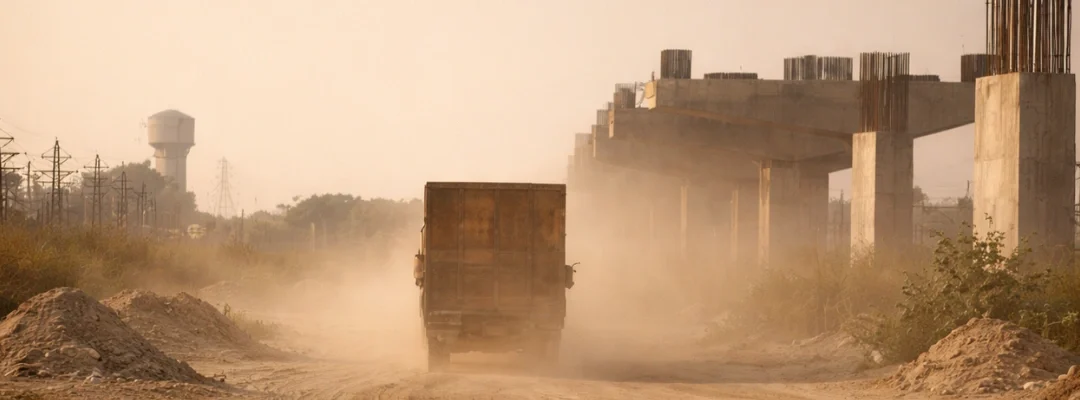
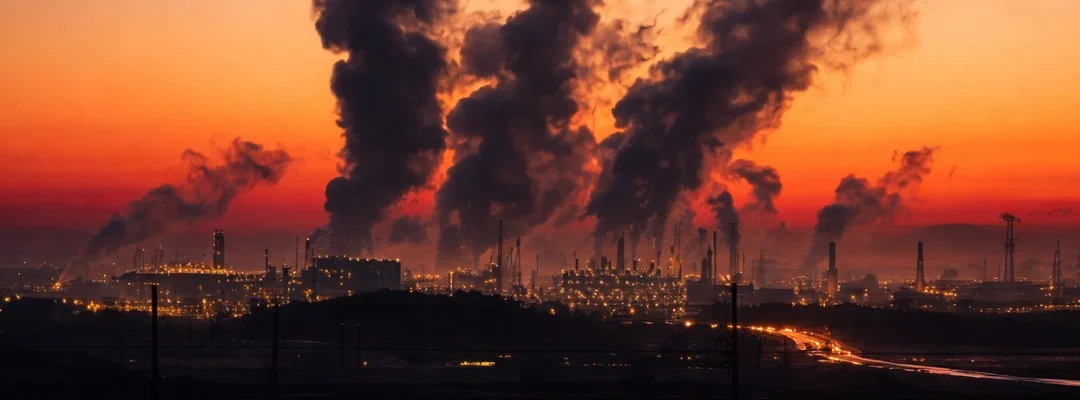
Dust pollution is not just a housekeeping problem. It is an air pollution problem. In air-quality terms, dust pollution usually falls under particulate matter (PM), a mix of tiny solid particles and liquid droplets in the air. That mix can include dust, dirt, soot,...
by Greenly | Mar 17, 2026 | Dust Suppression Systems
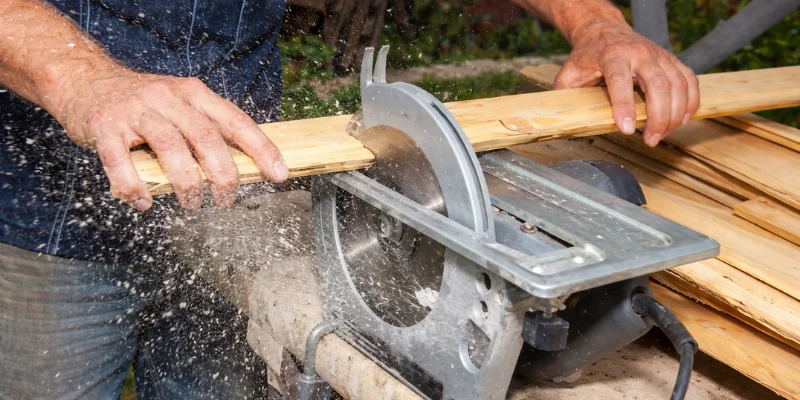
Woodworking shops create dust every day through cutting, sanding, routing, shaping, and finishing. In many workshops, visible dust is treated as a normal part of the job. But wood dust pollution affects far more than cleanliness. It can reduce indoor air quality,...
by Greenly | Mar 9, 2026 | Dust Suppression Systems
Grain dust is one of the most serious dust-related hazards in agriculture and food handling. It is common in grain elevators, feed mills, storage facilities, and processing plants. Unlike ordinary nuisance dust, grain dust can create both respiratory exposure risks...
by Greenly | Feb 25, 2026 | Dust Suppression Systems
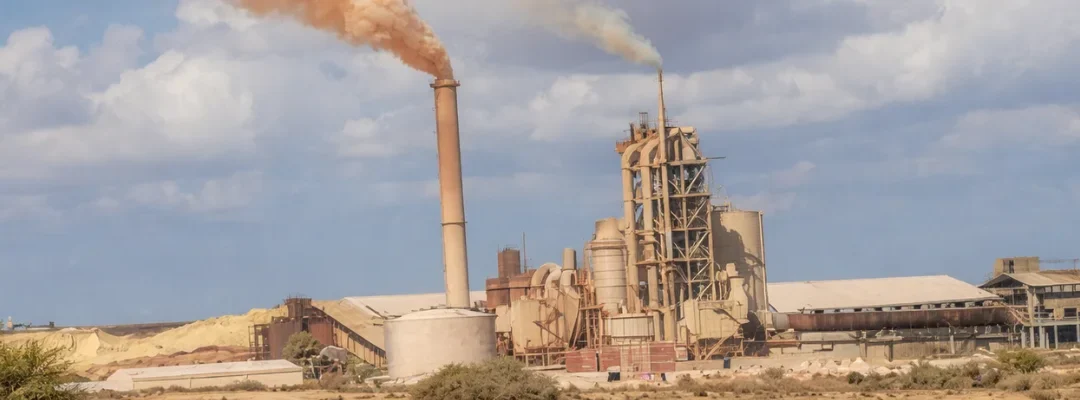
Cement dust is not only a workplace or nuisance issue. Once released into the environment, it can affect air quality, soil chemistry, vegetation, surface water, and nearby ecosystems. Reviews of the cement industry consistently identify dust emissions, particulate...
by Greenly | Feb 15, 2026 | Dust Suppression Systems
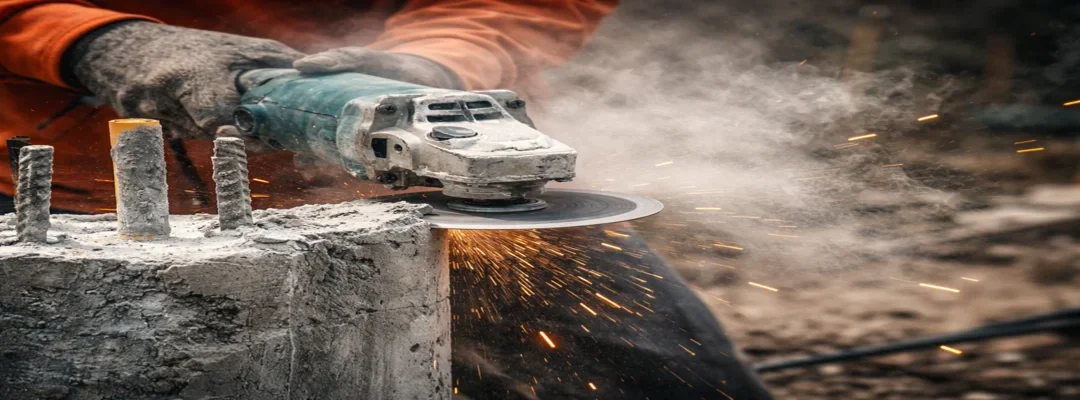
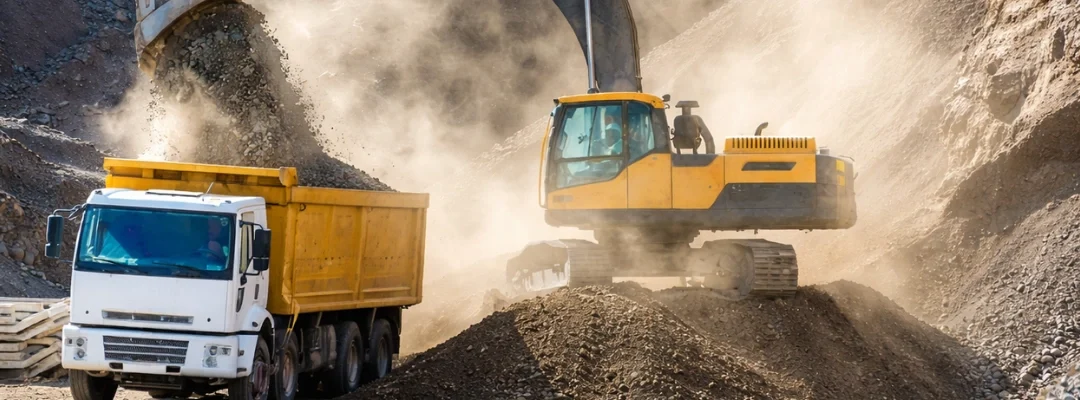
Construction dust pollution is one of the most common air quality and workplace hazards on job sites. It affects workers, nearby residents, equipment, visibility, and overall safety. Activities such as demolition, excavation, concrete cutting, and material handling...
by Greenly | Feb 12, 2026 | Dust Suppression Systems
Cement dust pollution is a common workplace issue anywhere cement is produced, transferred, mixed, stored, or used. It affects workers in cement plants, batching operations, storage areas, and construction environments. Because cement handling is part of everyday...