
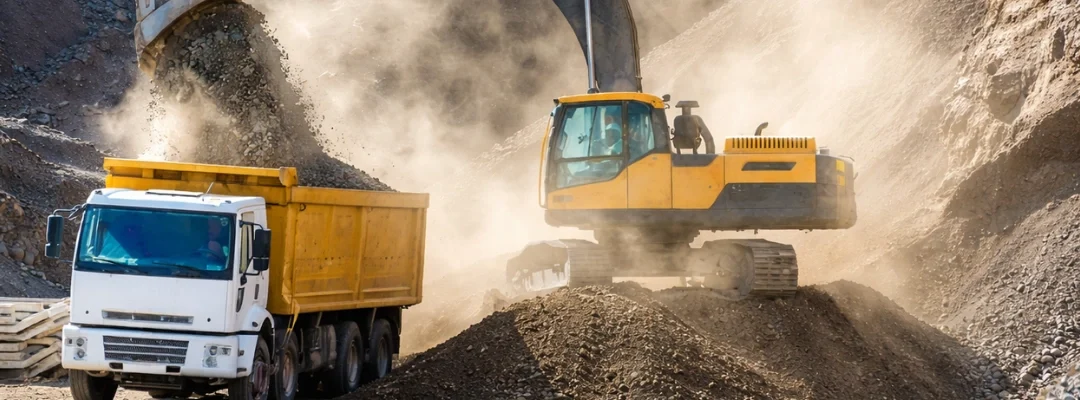
Construction dust pollution is one of the most common air quality and workplace hazards on job sites. It affects workers, nearby residents, equipment, visibility, and overall safety. Activities such as demolition, excavation, concrete cutting, and material handling can release fine dust particles into the air, where they may remain suspended even after visible dust has disappeared.
What causes dust pollution on construction sites?
Construction dust is produced whenever materials are broken, moved, cut, drilled, or dumped. Common sources include:
- Demolition work
- Concrete cutting and grinding
- Drilling and sanding
- Excavation and earthmoving
- Vehicle movement on unpaved roads
- Stockpiles of sand, cement, or debris
- Loading and unloading dry materials
On active sites, several of these tasks often happen at the same time, which can quickly increase airborne dust levels.
Why construction dust is a serious problem
Construction dust is more than a nuisance. It can create health, safety, and environmental problems if not properly controlled.
Workers exposed to dust may experience:
- Coughing
- Throat irritation
- Eye discomfort
- Shortness of breath
- Breathing difficulties
Dust can also spread beyond the site, settle on nearby buildings and vehicles, trigger complaints from neighbors, reduce visibility, and create compliance concerns. In some cases, poor dust control can even delay work or damage a contractor’s reputation.
Certain dusts, especially silica dust from concrete, brick, and stone, can create more serious long-term health risks. That is why construction dust pollution should be managed as a key part of site safety and environmental control.
Best ways to control construction dust pollution
A strong dust control plan starts by reducing dust at the source and preventing it from spreading.
Wet suppression
Water sprays or misting systems help keep dust from becoming airborne during demolition, cutting, grinding, and vehicle movement.
Covering and containment
Cover trucks, stockpiles, and waste materials. Use screens, barriers, or temporary enclosures around high-dust work areas to limit dust spread.
Good site housekeeping
Avoid dry sweeping, which can re-release dust into the air. Use wet cleaning methods or vacuum systems designed for dust collection.
Traffic control
Reduce vehicle speeds on unpaved surfaces and create designated haul routes to limit dust caused by site traffic.
Dust monitoring
Monitor dust levels at the site perimeter and in high-exposure areas. This helps identify hotspots early and supports better control decisions.
Common mistakes contractors make
Many contractors respond to dust only after complaints begin. Others focus only on visible dust and overlook fine airborne particles that can still create health risks. Another common mistake is using water inconsistently, which reduces the effectiveness of dust suppression.
Without a clear dust management plan, even routine construction activity can lead to unnecessary exposure, complaints, and site problems.
Why Choose Us
Construction dust control needs more than basic site cleaning. It requires the right mix of planning, monitoring, and practical control measures to keep dust from affecting workers, nearby properties, and project timelines.
Experience with real job-site dust issues
We understand how construction dust is created during demolition, excavation, concrete cutting, drilling, and material handling, and we help address these risks before they become bigger problems.
Practical dust control solutions
Our approach focuses on methods that can actually be used on active job sites, including suppression, containment, housekeeping, traffic control, and monitoring.
Focus on health, safety, and compliance
Construction dust can affect workers, neighbors, visibility, and overall site safety. We help support cleaner, safer, and better-managed worksites.
Dust monitoring that supports better decisions
We help identify high-dust areas and exposure risks so contractors can take action early instead of waiting for complaints or delays.
Site-specific recommendations
Every construction project is different. We provide dust control guidance based on site activity, materials, traffic movement, and surrounding conditions.
Reliable support for active projects
From prevention to monitoring, we focus on clear advice and dependable dust management strategies that help keep projects running smoothly.
FAQ
What causes construction dust pollution?
Construction dust pollution is caused when materials are broken, moved, cut, drilled, ground, loaded, or dumped. Common sources include demolition, excavation, concrete cutting, sanding, vehicle traffic on unpaved roads, and loose material stockpiles.
Why is construction dust dangerous?
Construction dust can irritate the eyes, nose, and throat, and may also cause coughing or breathing problems. Fine particles can stay in the air longer and create greater health risks, especially for workers and people near the site.
Is construction dust only a problem for workers?
No. Construction dust can also affect nearby homes, businesses, roads, vehicles, and surrounding communities. It may reduce visibility, settle on surfaces, and lead to complaints from neighbors.
What is the best way to control construction dust?
The best approach is to control dust at the source. Common methods include water suppression, covering loose materials, using barriers, reducing vehicle speed, improving housekeeping, and monitoring dust levels on site.
Why is silica dust a major concern on construction sites?
Silica dust can be released when cutting, drilling, or grinding materials such as concrete, brick, and stone. It is especially hazardous because very fine particles can be inhaled deep into the lungs.
How can contractors reduce dust complaints from neighbors?
Contractors can reduce complaints by controlling dust early, covering materials, managing traffic routes, using water or misting systems, cleaning properly, and monitoring site dust before it spreads beyond the work area.
Is visible dust the only problem?
No. Visible dust is only part of the issue. Fine airborne particles may remain in the air even when a dust cloud is no longer easy to see, which is why proper dust control and monitoring are important.
When should dust monitoring be used on a construction site?
Dust monitoring is useful on sites with demolition, excavation, concrete work, heavy traffic, or activity close to homes, businesses, or public roads. It helps identify high-risk areas and improve control measures.
Can weather make construction dust worse?
Yes. Dry weather, strong winds, and hot conditions can make dust spread more easily. Sites often need stronger dust suppression measures during these conditions.
Why is a dust control plan important?
A dust control plan helps reduce health risks, improve site safety, protect nearby properties, prevent complaints, and support smoother project operations.