by Greenly | Jan 27, 2026 | Dust Suppression Systems
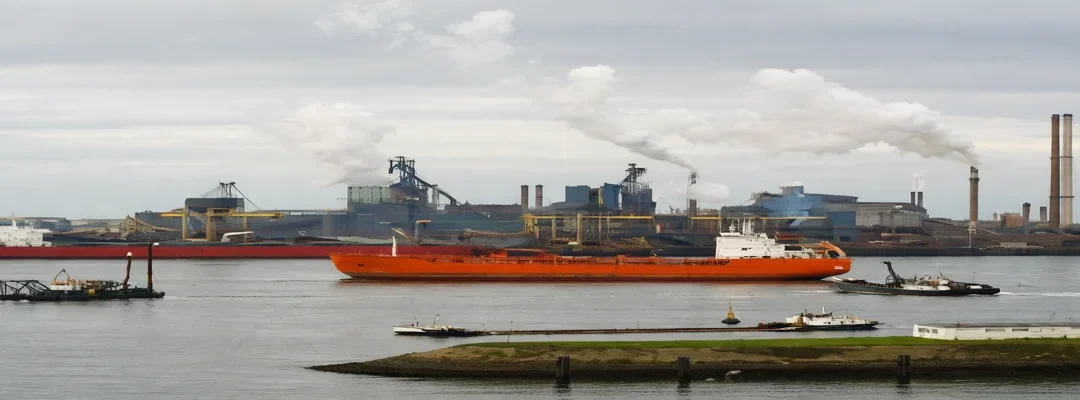
Ports and bulk terminals often handle large volumes of dry material such as minerals, grain, cement, coal, aggregates, and powders. These operations create major opportunities for fugitive dust emissions. Because ports are open, windy, and highly active environments,...
by Greenly | Jan 21, 2026 | Dust Suppression Systems
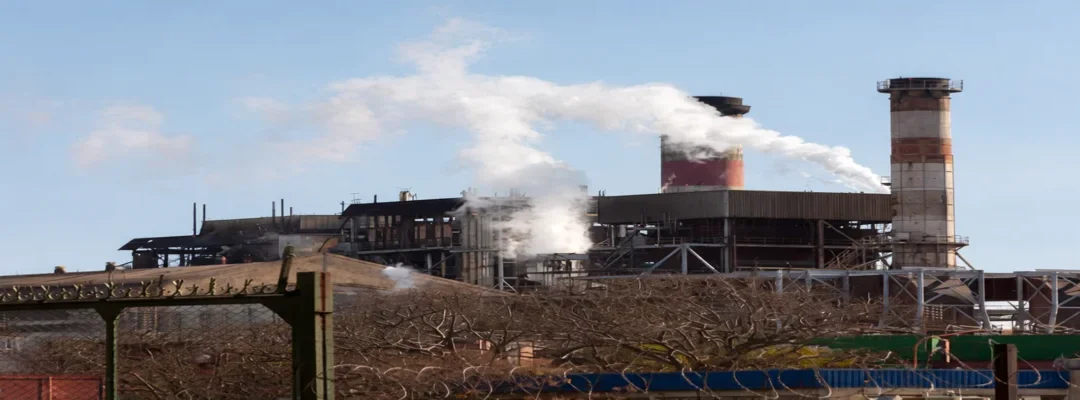
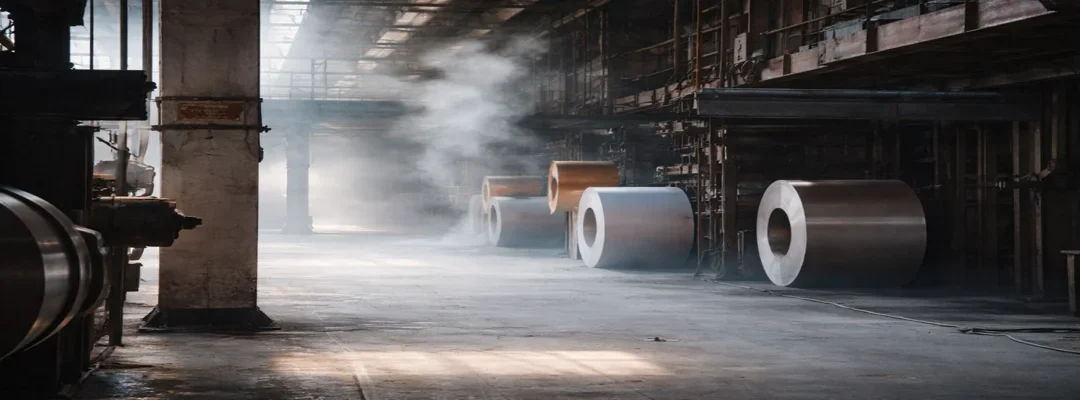
Dust pollution in manufacturing plants is often overlooked because it builds slowly over time. Unlike dramatic outdoor dust clouds, indoor industrial dust may collect around equipment, ceilings, beams, vents, and production lines. That makes it easy to ignore until it...
by Greenly | Jan 20, 2026 | Dust Suppression Systems
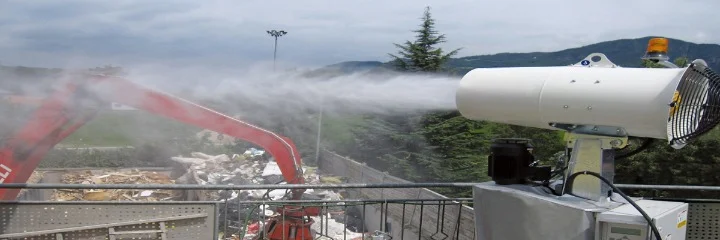
Recycling plants handle a wide range of dry, mixed, and frequently disturbed materials. That makes dust pollution a common challenge in sorting, shredding, crushing, loading, and storage operations. Because recycling facilities are often located near industrial and...
by Greenly | Jan 10, 2026 | Dust Suppression Systems
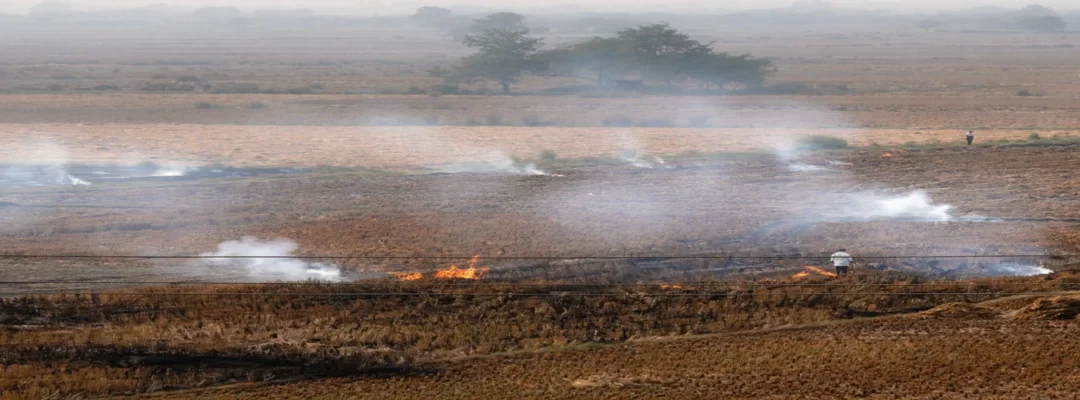
Agricultural dust pollution is a common issue on farms, especially during planting, harvesting, grain handling, feed movement, bedding work, and livestock operations. Farm dust can include soil, grain dust, feed particles, mold, pollen, bedding, and animal waste, and...
by Greenly | Jan 8, 2026 | Dust Suppression Systems
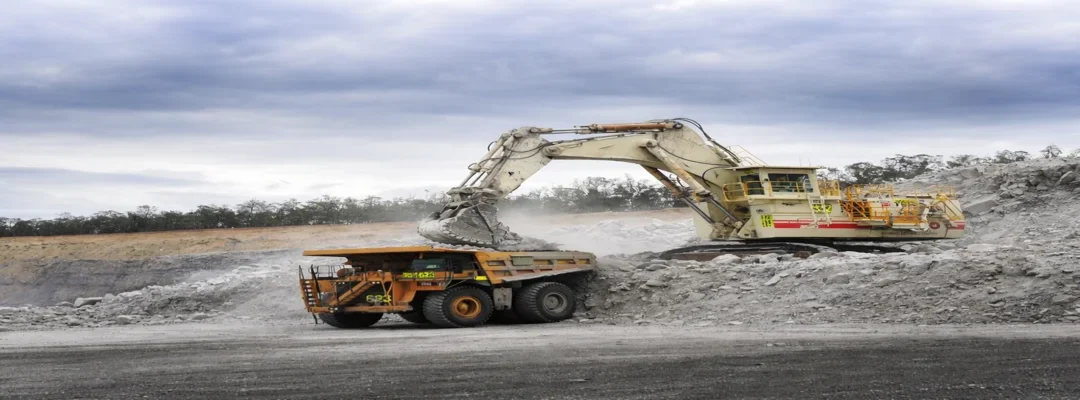
Mining dust pollution is one of the most persistent air-quality and workplace hazards in mining operations. Dust is generated during extraction, transport, crushing, screening, conveying, loading, and stockpiling, and it can spread through active work areas and, in...
by Greenly | Jan 2, 2026 | Dust Suppression Systems
Warehouse dust pollution is often underestimated because it does not always come from manufacturing. In many facilities, dust builds up through constant movement, packaging debris, forklift traffic, incoming goods, and poor cleaning routines. Over time, that dust can...