
Improves worker safety
Reduces dust levels to improve visibility and create safer working conditions.
This page looks at dust control machine by machine: jaw, cone and impact crushers, screens and mobile crushing units each release dust at slightly different points.
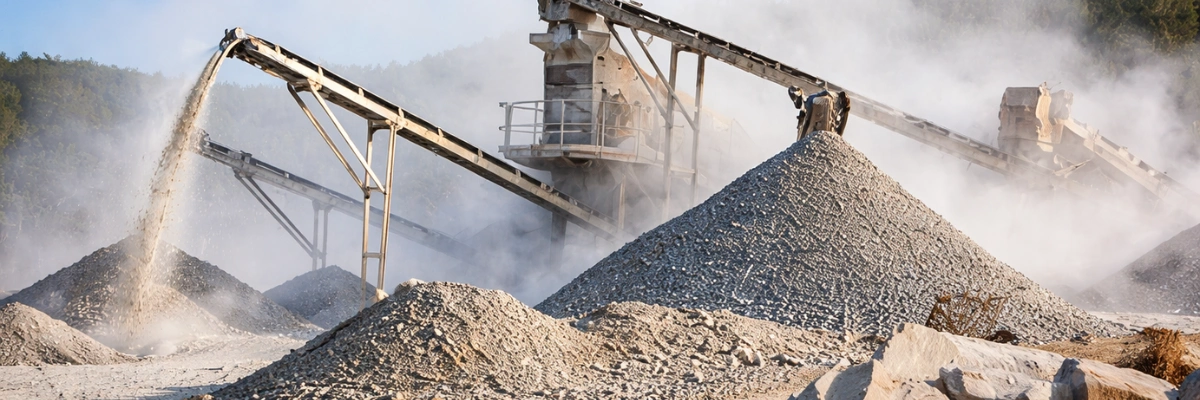
Dust control for crushing machines is essential for reducing airborne dust, improving worker safety, and protecting equipment in crusher plants. A well-designed dust suppression system for crusher plant applications controls dust at the source during crushing, screening, feeding, and material transfer using nozzles, misting, and fogging. Whether for a single dust crusher machine or a complete crushing plant dust control setup, the right system helps maintain cleaner and more efficient operations.
Dust control for crushing machines refers to the methods and systems used to suppress dust generated around crushers, screens, hoppers, conveyors, and discharge points. These systems are designed to reduce airborne dust by applying fine mist or targeted spray in the areas where dust is released.In many crushing operations, a standard water hose does not provide proper control. A professionally designed dust suppression system for crusher plant conditions uses the correct droplet size and spray arrangement to improve performance while reducing excess water use. This makes the system suitable for heavy-duty industrial conditions.

Here are shorter one-line descriptions for each:
Reduces dust levels to improve visibility and create safer working conditions.
Controls dust at the source before it spreads to nearby areas.
Helps prevent dust buildup on plant machinery and components.
Keeps the crushing area cleaner and easier to manage.
Improves overall dust control around the plant and surrounding zones.
A crusher dust control system works by applying fine droplets at dust-generating points. These droplets interact with airborne particles and make them heavier so they settle rather than remain suspended in the air.
System performance depends on:
This is why an engineered dust suppression system performs far better than uncontrolled manual spraying.
A reliable crusher plant dust suppression system should offer:
Controls fine dust closer to the point where it is generated.
Reduces floating dust and improves visibility around crusher and screening areas.
A professionally designed system uses water more efficiently than ordinary spraying.
Helps reduce dust deposits on surrounding machinery and plant structures.
Cleaner working conditions make plant upkeep easier and more manageable.
The setup can be customized for small, medium, or large crushing operations.
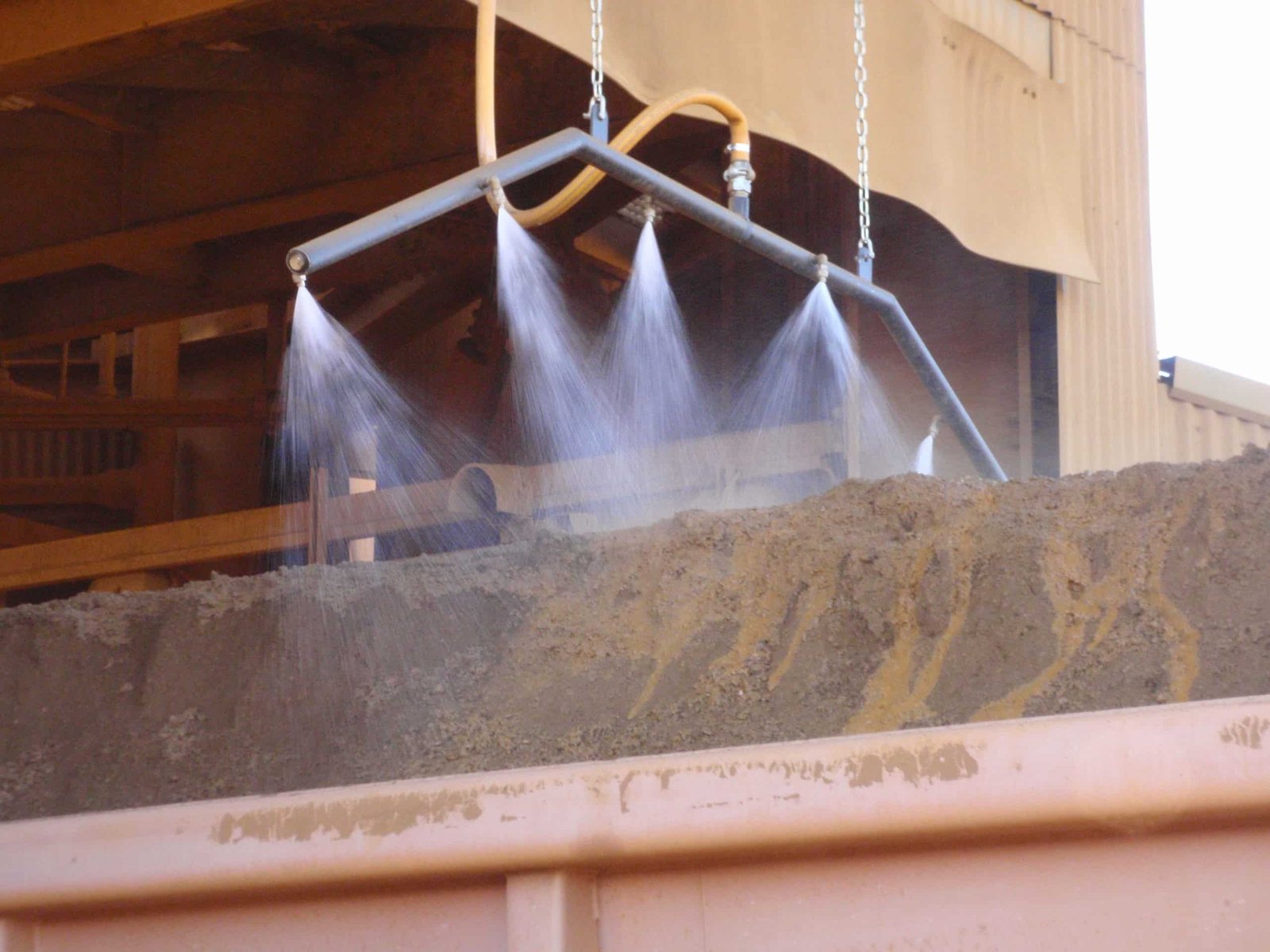
Here are short one-line descriptions for each:
Systems designed based on your crusher type, layout, and dust-generation points.
Targeted dust control for hoppers, crushers, screens, conveyors, and transfer points.
Suitable suppression methods for both localized and wider crusher areas.
Effective dust control with optimized water usage.
Strong components built for dusty and demanding plant conditions.
Solutions available from a single crusher machine to a full plant setup.
Knowing where each machine releases dust tells you where the nozzles go.
Send photographs, a layout or a short description of where the dust comes from.
We review each source, the material, water and power available, and any moisture limits.
You receive a layout, equipment list and price for the system that fits.
We supply, install and commission, train your operators and stay available for service.
Send photos or a layout of the dust source. An engineer will recommend a system and send a budget price.
Dust control for crushing machines is a system used to suppress dust generated during crushing, screening, and material transfer operations.
It is a setup that uses nozzles, misting, or fogging to control airborne dust at crushers, screens, conveyors, and other dust-generating points.
It is important for worker safety, cleaner operations, better visibility, and reduced dust spread across the site.
Yes. A crusher machine can use misting or nozzle-based suppression depending on the type of dust and the plant layout.
Dust is commonly generated at feeders, crushers, screens, transfer points, conveyors, hoppers, and discharge zones.
Yes. Crusher plant dust suppression systems can be automated using timers, sensors, or control panels for more consistent operation.
Yes. Dust control systems are widely used in stone crushers, mining units, aggregate plants, and quarry operations.
With a compact spray or fog kit fed from an on-board or towed tank, with nozzles at the hopper, crusher discharge and conveyor head.
Yes. Screens blind when material is too wet, so fog is used in preference to spray and kept to the feed and discharge.
Send the basics and an engineer will come back with a recommendation and a budget price.