
Reduces wind-blown dust
The main purpose of a wind fence is to lower wind speed across exposed surfaces so loose dust is less likely to lift and spread.
We design, fabricate and install dust control fencing for coal yards, stockpiles, mines and construction boundaries across India.
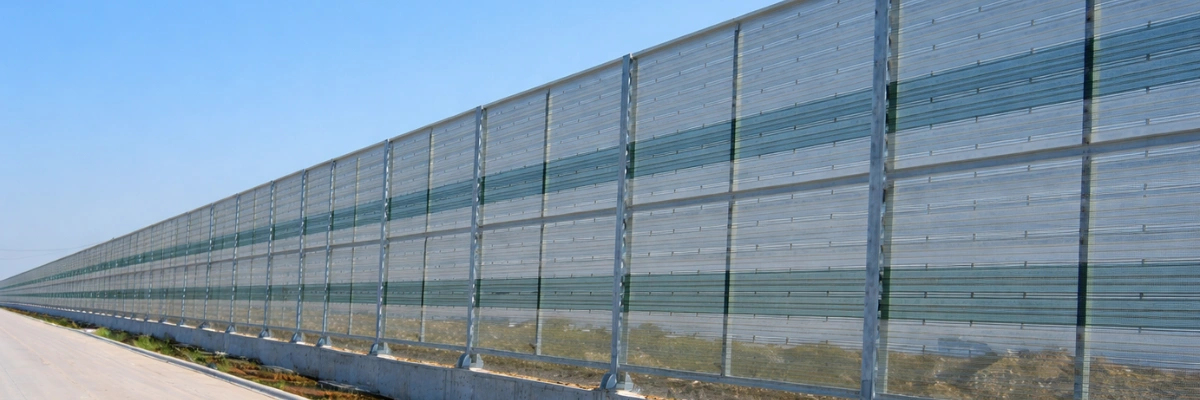
A reliable dust control fencing manufacturer provides practical systems that help reduce wind-blown dust in open industrial and outdoor environments. Whether the requirement is for stockyards, mining areas, crusher zones, material storage yards, ports, construction sites, or road-facing industrial boundaries, the right dust control fence helps reduce airborne dust movement and improves overall site cleanliness. Wind fences for dust control are specially designed barriers that reduce wind velocity and limit the spread of loose dust particles. Compared to ordinary boundary fencing, wind fencing is built to support dust suppression performance by controlling the way wind passes through the fence structure. This makes it an effective solution for industries that face continuous dust movement in exposed outdoor areas.
A dust control fence is a specially engineered barrier installed around dust-prone areas to reduce the impact of wind on loose material and surface dust. It helps slow down the wind speed and prevents dust from spreading into surrounding work zones, nearby roads, plant areas, or neighboring properties.Unlike a solid wall, wind fences for dust control are usually designed with controlled perforation or airflow management features. This allows the fence to reduce turbulence while still controlling wind pressure. As a result, wind fencing becomes a practical solution for outdoor dust management in industries where open storage and material handling are common.

In open industrial areas, dust often spreads because of wind, dry weather, vehicle activity, and exposed stored materials. A properly designed dust control fence offers several practical benefits.
The main purpose of a wind fence is to lower wind speed across exposed surfaces so loose dust is less likely to lift and spread.
By limiting airborne dust movement, the fencing system helps keep outdoor working areas cleaner and easier to maintain.
Reduced dust movement can improve visibility and create a better outdoor environment for operators, drivers, and site personnel.
A well-designed fence helps reduce dust drift toward roads, buildings, equipment zones, and property boundaries.
Wind fencing can be combined with fogging, misting, sprinklers, and dust cannons as part of a broader dust control strategy.
Wind fences for dust control work by reducing the speed and force of wind before it reaches dust-holding or dust-generating areas. As wind passes through the specially designed fence panel, the airflow is controlled in a way that reduces direct pressure on open surfaces such as coal, ore, ash, sand, aggregates, or other loose materials.
This helps:
Because of this, wind fencing is widely used in industries that handle dry and loose bulk materials in open areas.
A reliable system from a professional manufacturer should offer:
By lowering wind speed, the fence reduces the amount of dust lifted and carried across the site.
The fencing system helps contain dust within the working area and supports better outdoor site management.
Wind fencing reduces dust movement even before fogging or sprinkler-based suppression is applied.
Less drifting dust means reduced dust buildup on machinery, structures, and nearby surfaces.
Wind fences are highly effective for stockyards, open storage areas, and boundary protection.
A fence can improve the efficiency of fogging, misting, sprinklers, and dust cannons by reducing wind interference.
Different site conditions require different wind fencing arrangements. We provide solutions such as:
stockyard perimeter fencing
boundary dust control fencing
windbreak panels for material storage zones
fencing for crusher and conveyor open areas
roadside dust control barriers
customized wind fence structures for industrial plants
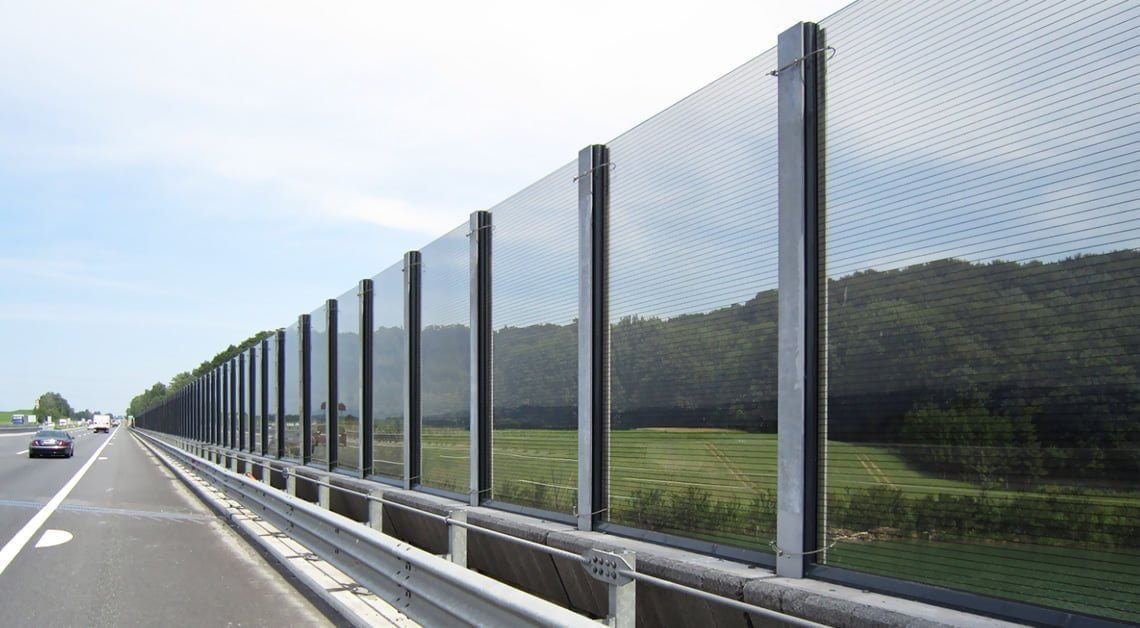
We provide application-based wind fencing solutions designed for real industrial environments where wind and dust are major concerns.
We design each fencing system according to site exposure, dust behavior, and layout requirements for better performance.
Our wind fencing systems are built for outdoor industrial use with dependable materials and structural support.
We provide fencing solutions for mining, ports, cement plants, steel plants, crushers, stockyards, and other industrial sectors.
Fence height, length, and arrangement can be customized according to the site requirement.
Our systems help reduce wind-blown dust and strengthen the overall dust control strategy.
We focus on reliable solutions that perform well in exposed industrial conditions over the long term.
Enquiries come mostly from the coal and mineral belts and from city construction sites.
Send photographs, a layout or a short description of where the dust comes from.
We review each source, the material, water and power available, and any moisture limits.
You receive a layout, equipment list and price for the system that fits.
We supply, install and commission, train your operators and stay available for service.
Send photos or a layout of the dust source. An engineer will recommend a system and send a budget price.
A dust control fencing manufacturer provides specially designed fencing systems that help reduce wind-blown dust in open industrial and outdoor areas.
A dust control fence is used to reduce dust spread caused by wind in stockyards, crusher plants, mining sites, ports, and open storage zones.
They reduce wind speed and limit direct wind pressure on loose materials, helping reduce airborne dust movement.
Yes. Wind fencing is widely used in industrial environments where outdoor dust management is important.
Yes. Fence height, panel layout, and structural design can be customized according to site wind conditions and project requirements.
Yes. It can be combined with fogging, sprinklers, misting systems, and dust cannons for better overall dust control.
They are commonly installed around stockyards, plant boundaries, mining areas, crushers, ports, and large open material storage zones.
A steel support structure clad with porous fabric or perforated sheet, chosen for wind load, UV exposure and the level of shelter needed.
Height is set relative to the pile or source it protects. We recommend a height after reviewing your yard layout and wind direction.
Yes. We take responsibility for design, fabrication and installation.
Send the basics and an engineer will come back with a recommendation and a budget price.