
Dry fog at transfer chutes
Nozzles inside the chute enclosure fill it with fog so dust agglomerates and falls back onto the belt.
Dry fog systemMost conveyor dust is released at transfer points, where material falls from one belt to the next. A conveyor dust suppression system treats those points and leaves the rest of the belt dry.
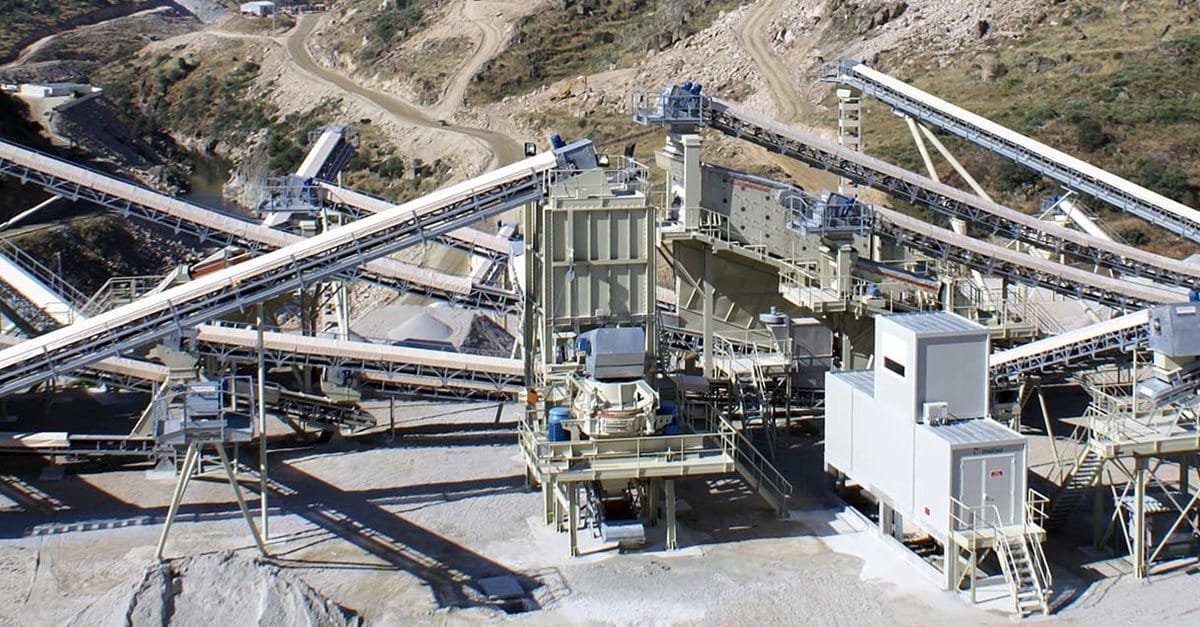
Along a covered belt run very little dust escapes. The trouble is concentrated at a few points.
Suppression works best alongside good mechanical containment.
Nozzles inside the chute enclosure fill it with fog so dust agglomerates and falls back onto the belt.
Dry fog systemA light spray on the material stream at the receiving belt damps the surface fines.
Water spray systemSensors make sure spray stops the moment the belt stops or runs empty.
Automation & controlsWhere material must stay dry, the transfer is hooded and connected to a filter.
Dedusting systemsBefore adding nozzles we look at the transfer itself: chute geometry, skirt board condition, a settling zone after the loading point and a belt cleaner at the head pulley. Fixing leaks there can halve the amount of fog needed.
Send photographs, a layout or a short description of where the dust comes from.
We review each source, the material, water and power available, and any moisture limits.
You receive a layout, equipment list and price for the system that fits.
We supply, install and commission, train your operators and stay available for service.
Send photos or a layout of the dust source. An engineer will recommend a system and send a budget price.
Treat the transfer points: seal the chute and skirting, add dry fog or fine spray inside the enclosure, and interlock it with the belt so it runs only when material is flowing.
It can if too much is used. Dry fog and correctly sized fine spray add very little moisture, and the belt interlock prevents spraying an empty belt.
It depends on chute size, belt width, tonnage and drop height. A typical transfer uses a small group of nozzles at the discharge and at the loading zone.
Nozzle headers and piping are installed alongside the running belt; only the final tie-ins need a short stoppage.
Send the basics and an engineer will come back with a recommendation and a budget price.