
Dry fog at tipping and transfer points
Droplets of roughly 1 to 10 microns capture airborne dust and evaporate before they wet surfaces. Suited to bulk and bagged material stores.
Dry fog systemDust in a warehouse settles on stock, clogs racking sensors and ends up in the lungs of the people working there. We design warehouse dust control that deals with the source without soaking your goods or your floor.
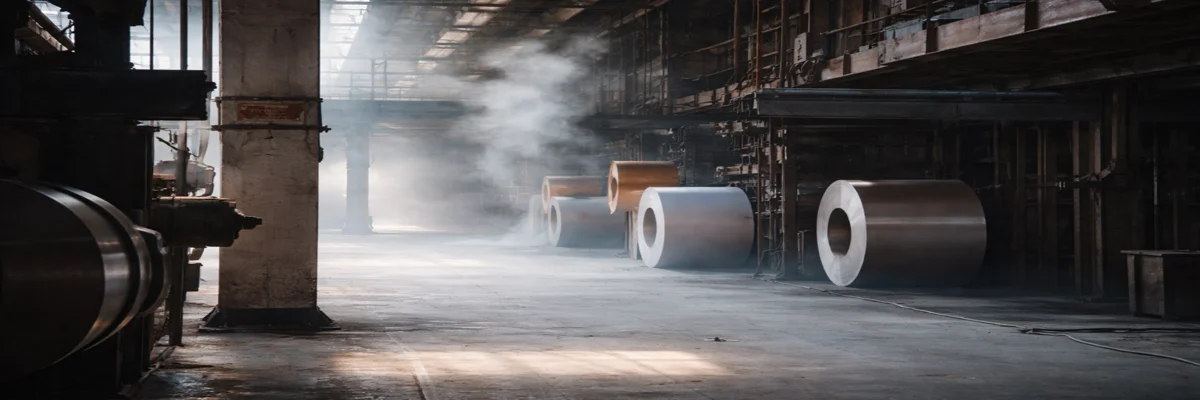
Most warehouse dust is not "dirt". It is product and packaging breaking down, and outside dust carried in every time a dock door opens. Sweeping moves it around; it rarely removes it.
The right system depends on whether your stock can tolerate any moisture at all.
Droplets of roughly 1 to 10 microns capture airborne dust and evaporate before they wet surfaces. Suited to bulk and bagged material stores.
Dry fog systemA fine mist curtain across the door opening knocks down dust entering from the yard and runs only while the door is open.
Wet fog & mistingWhere water is not acceptable, hoods and a bag or cartridge filter pull dust away at the point it is released.
Dust collectorsSprinklers or a fog cannon outside stop the dust before vehicles carry it indoors.
Sprinkler systemA warehouse system fails when it is specified like an outdoor one. Before we size anything we look at:
Send photographs, a layout or a short description of where the dust comes from.
We review each source, the material, water and power available, and any moisture limits.
You receive a layout, equipment list and price for the system that fits.
We supply, install and commission, train your operators and stay available for service.
Send photos or a layout of the dust source. An engineer will recommend a system and send a budget price.
A correctly designed dry fog or high-pressure mist system should not leave standing water. Droplet size, nozzle spacing and run time are set so the mist evaporates in the air. We avoid low-pressure sprays indoors for exactly this reason.
Start with the entry points: seal or curtain the dock doors and suppress dust on the yard outside. Inside, use extraction at any decanting or packing stations and industrial vacuuming instead of dry sweeping.
Nozzle zones are kept clear of panels, battery charging areas and open electrical equipment. Where that is not possible we recommend extraction instead of mist.
Yes. Zones can be triggered by door switches, vehicle sensors, timers or a dust monitor, so water is used only when dust is being generated.
Send the basics and an engineer will come back with a recommendation and a budget price.