
- The CPCB and the environment ministry set national standards; State Pollution Control Boards enforce them
- The 2009 ambient standards set 24-hour limits of 100 µg/m³ for PM10 and 60 µg/m³ for PM2.5
- Your consent to operate is the document that states the limits your site must meet
This guide summarises how dust is regulated in India. It is general information, not legal advice. Standards are revised from time to time, so always check your own consent conditions and the current notifications.
Which body makes the rules on dust pollution?
National standards are set by the Central Pollution Control Board (CPCB) and the Ministry of Environment, Forest and Climate Change under the Air (Prevention and Control of Pollution) Act, 1981 and the Environment (Protection) Act, 1986. State Pollution Control Boards apply them through each unit's consent to establish and consent to operate, and may set tighter conditions.
Ambient air quality standards
The National Ambient Air Quality Standards notified in November 2009 give the limits for the air around a site. For particulate matter they are:
| Pollutant | Annual average | 24-hour average |
|---|---|---|
| PM10 | 60 µg/m³ | 100 µg/m³ |
| PM2.5 | 40 µg/m³ | 60 µg/m³ |
A revision of these standards has been reported as under consideration. Check the CPCB website for the version in force.
Industry-specific dust standards
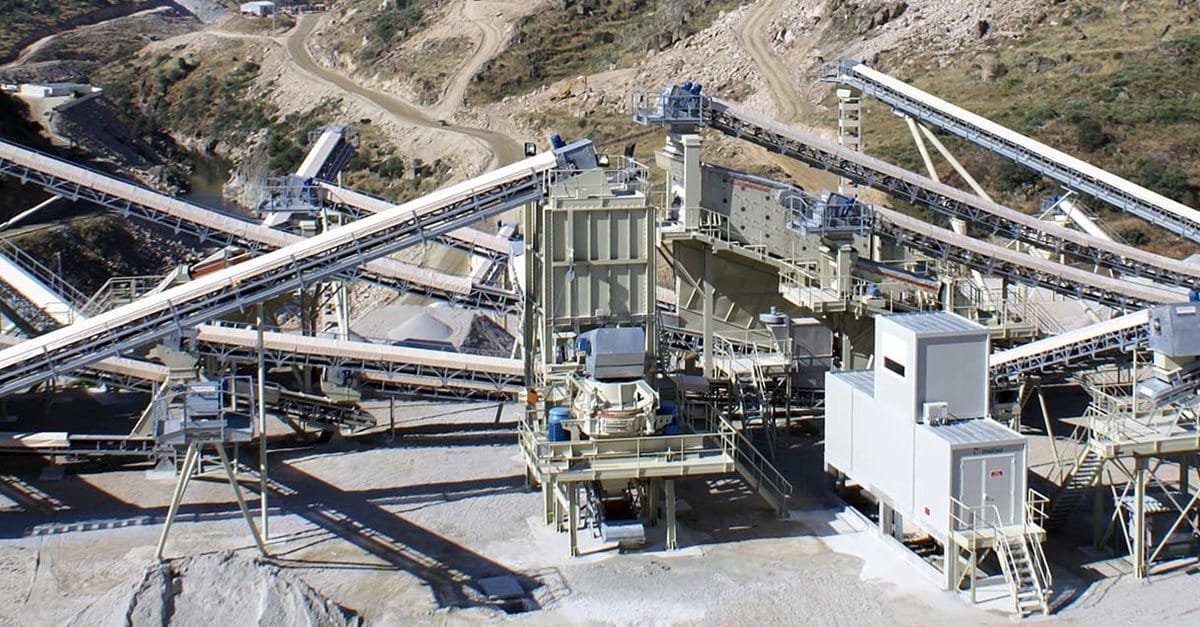
Separate standards under the Environment (Protection) Rules, 1986 apply to particular industries. One of the clearest examples concerns stone crushers: suspended particulate matter measured between 3 and 10 metres from any process equipment of a stone crushing unit must not exceed 600 µg/m³. The CPCB also issued Environmental Guidelines for Stone Crushing Units in 2023, which call for measures such as water sprinkling at unloading and crushing points, covering of equipment and wind-breaking walls.
Coal mines, cement plants, thermal power stations and other sectors have their own notified standards for stack and fugitive emissions. The figures that bind your unit are the ones written into your consent.
What this means on site
- Know the limits and monitoring points stated in your consent to operate.
- Identify fugitive dust sources: roads, stockpiles, crushers, transfer and loading points.
- Fit and maintain controls at each source, and keep records that they are running.
- Monitor dust upwind and downwind, as your consent requires.
- Review after any change in production, layout or material.
How dust suppression helps with compliance
Stack emissions are handled by process filters. The complaints, inspection findings and boundary readings usually come from fugitive dust, which is exactly what suppression systems address. Dry fog at crushers and transfers, sprinklers on yards and roads, wind fencing and automated controls with run logs together give both the reduction and the evidence.
Frequently asked questions
Which body has made rules to control cement dust pollution in India?
The Central Pollution Control Board and the Ministry of Environment, Forest and Climate Change set the standards, and State Pollution Control Boards enforce them through consent conditions.
What is the permissible PM10 level in India?
Under the 2009 National Ambient Air Quality Standards, 100 µg/m³ as a 24-hour average and 60 µg/m³ as an annual average.
What is the dust standard for stone crushers?
Suspended particulate matter measured between 3 and 10 metres from any process equipment must not exceed 600 µg/m³.